Monthly Archives: July 2011

Re-Dedicate

I’m headed back to Portland early tomorrow morning- I don’t like thinking about the fact this is my last day in Alaska for quite some time.  As I mentioned upon arrival here I feel like Alaska inspires the best version of myself, and my summer has been full of those best experiences.  I’ve been thinking of this as the second stage of my trip since quitting my job, and it’s been exceptionally fruitful.  More than anything else, this time and this place has allowed me renew and refine my dedication to a few major life goals.  Over the years I’ve found that it’s easy to make lots of goals, and hard to follow through on them.  Sometimes I’m even reluctant to call them goals, perhaps the term principles would be more appropriate, and that a principle may encompass many elements.

  • Live more simply (encompasses the pursuit of more human experiences, human powered adventures, a greater sense of community, and more careful focus of my intentions).
  • Enjoy life to the fullest (encompasses being fit, being active, doing new things, embracing new challenges)

The next stage of my travels looks the least structured of my so far, and I’m excited to use that time to fully embrace these principles.  There is a pain in my chest tonight, as I’ve started to feel a sense of belonging here.  Going to Portland still feels like going back to the familiar, but with a new sense of the unknown because I’m not exactly sure why I’m going there, except for the fact that it is where my stuff is.  Leaving here feels like I’m leaving something behind that doesn’t fit in my backpack.  

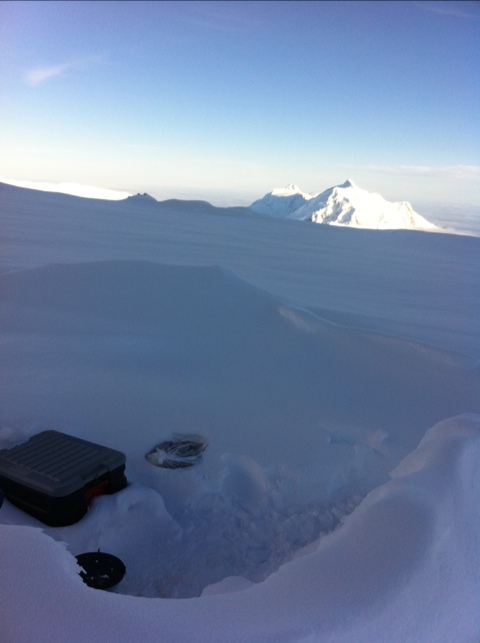
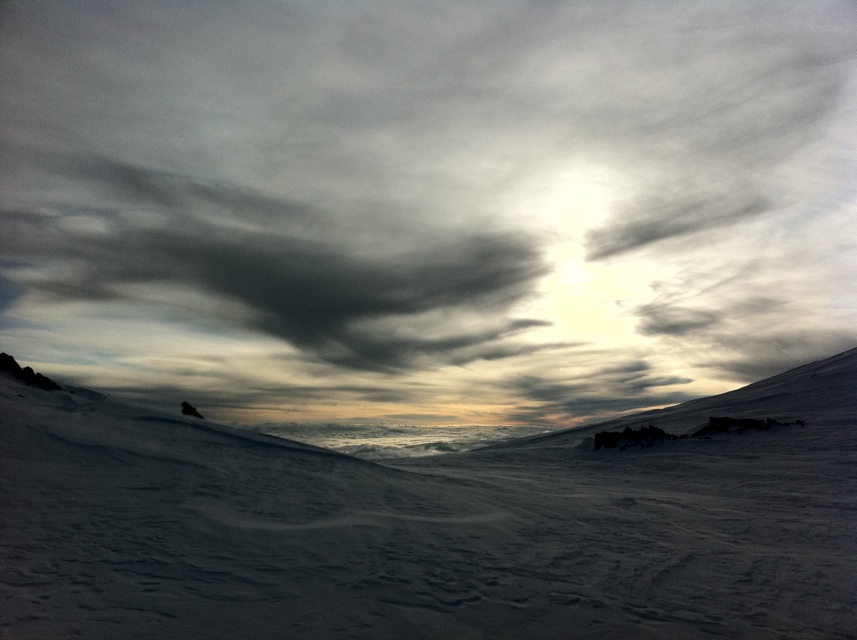
Reflection is strong in the mountains.

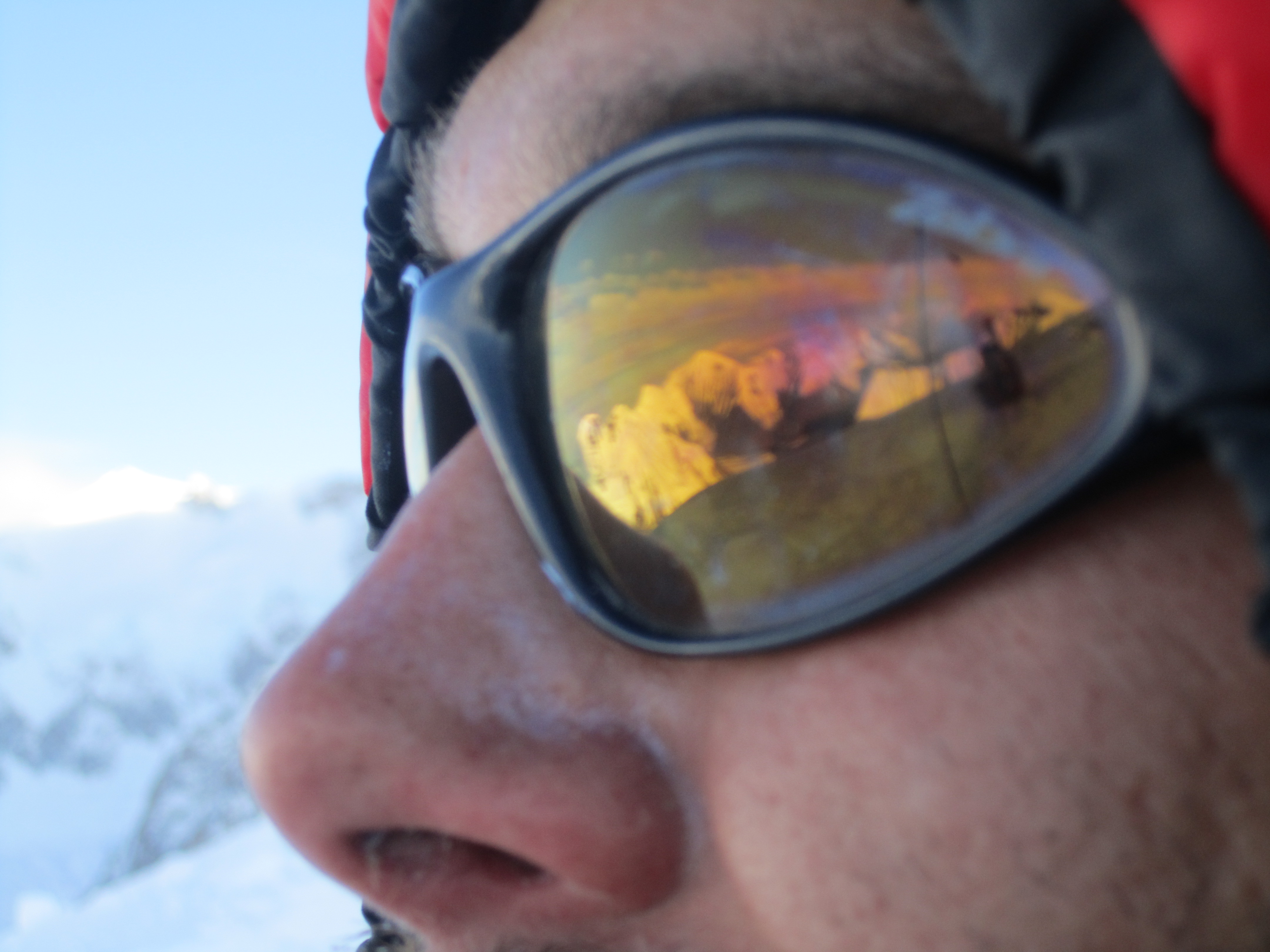
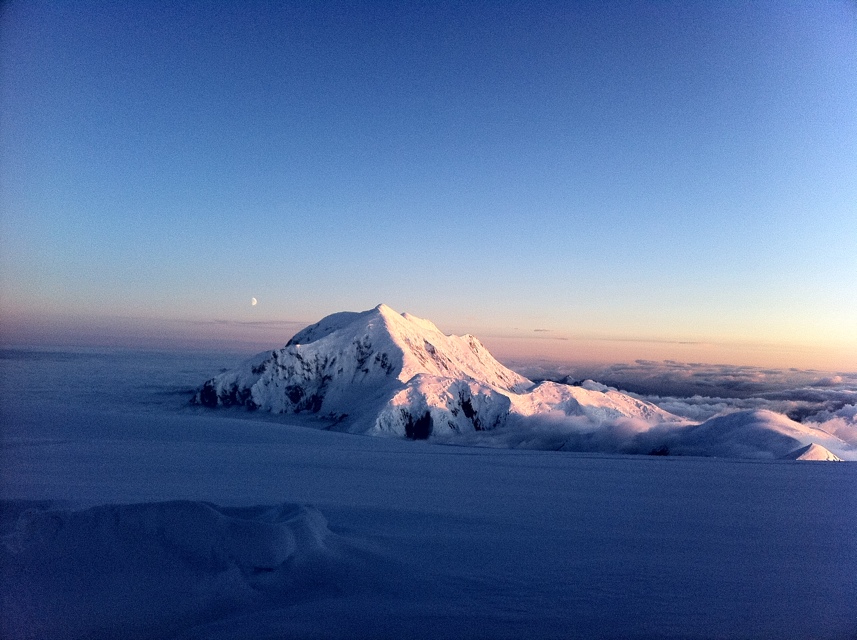
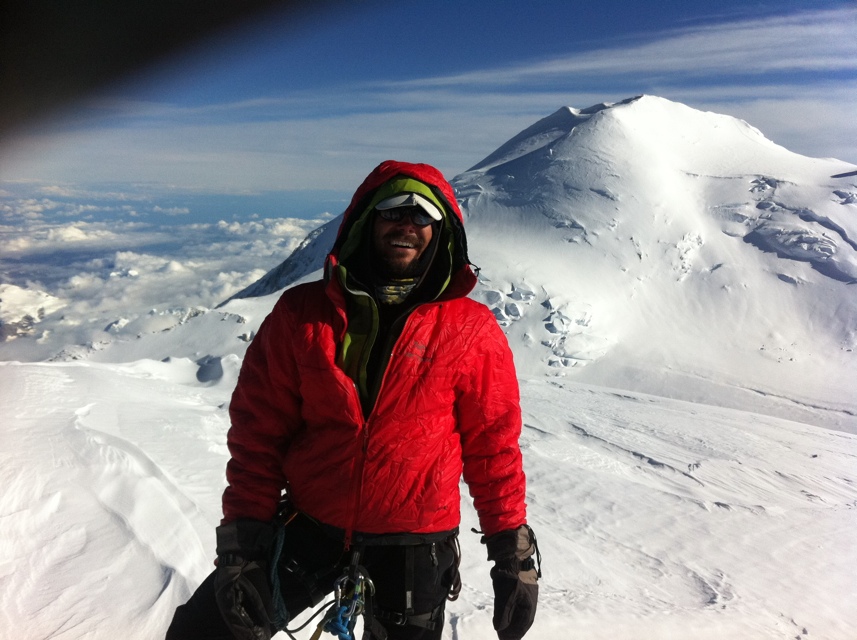
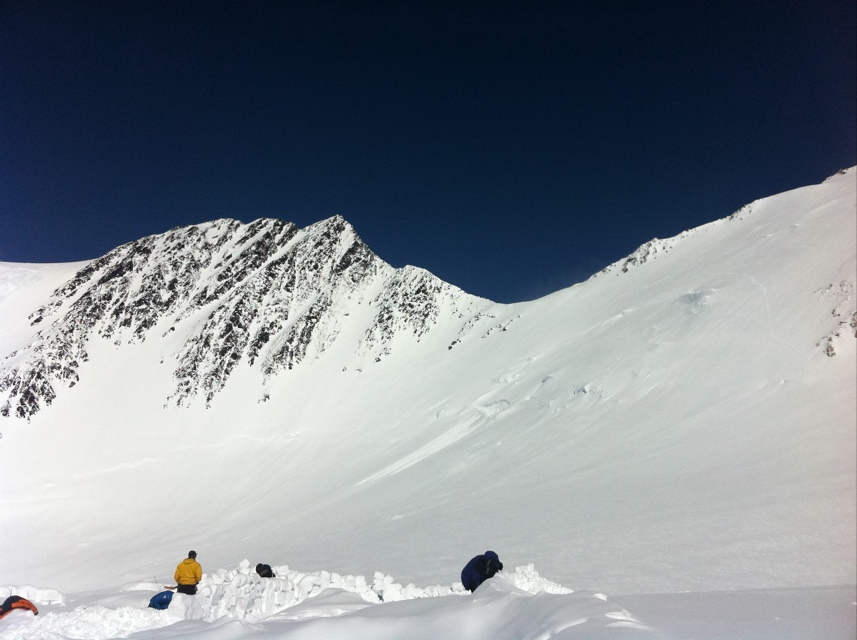
Evenings are a great time to climb.

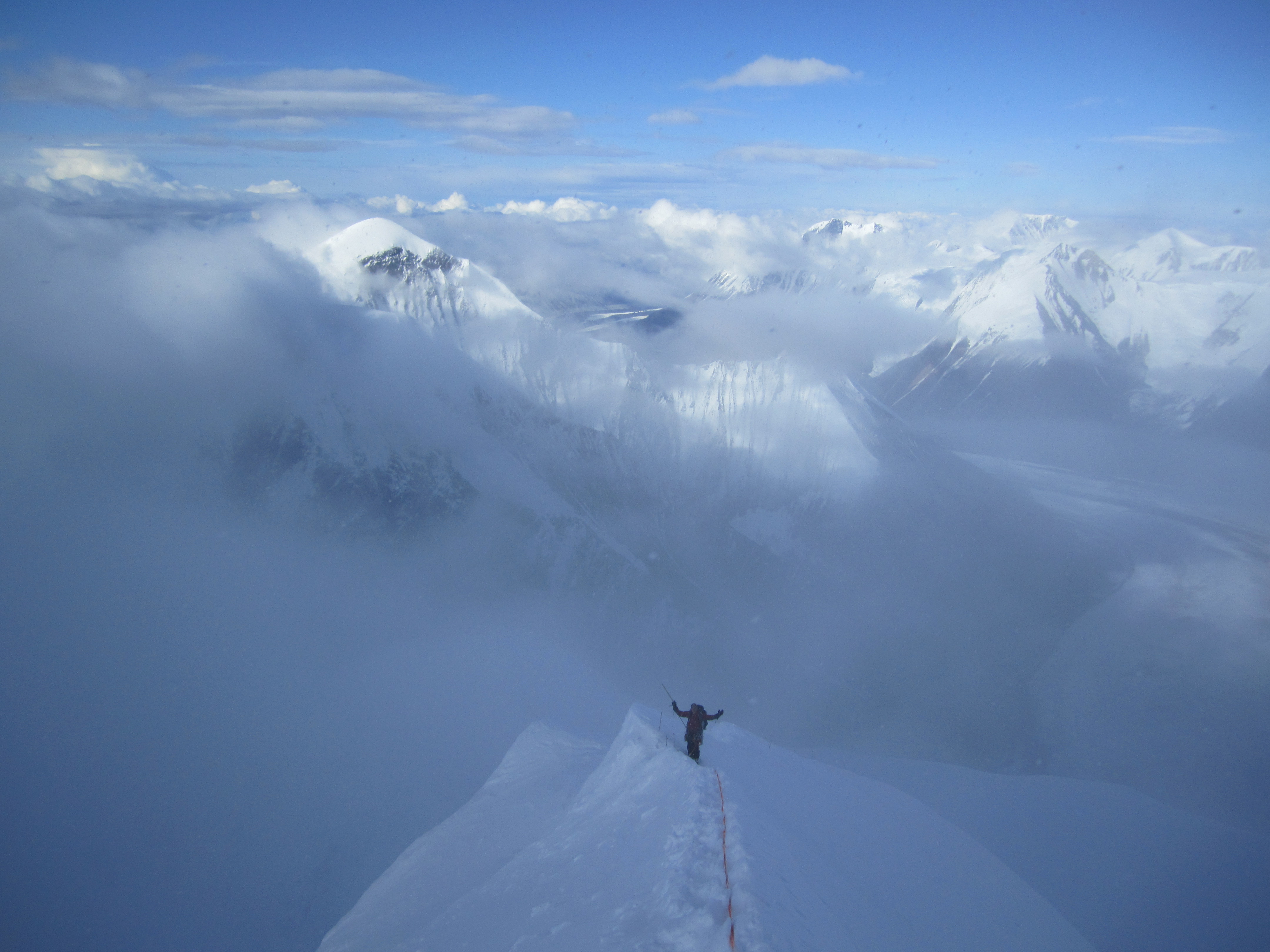
Feeling the deep wilderness on the Harper Glacier.

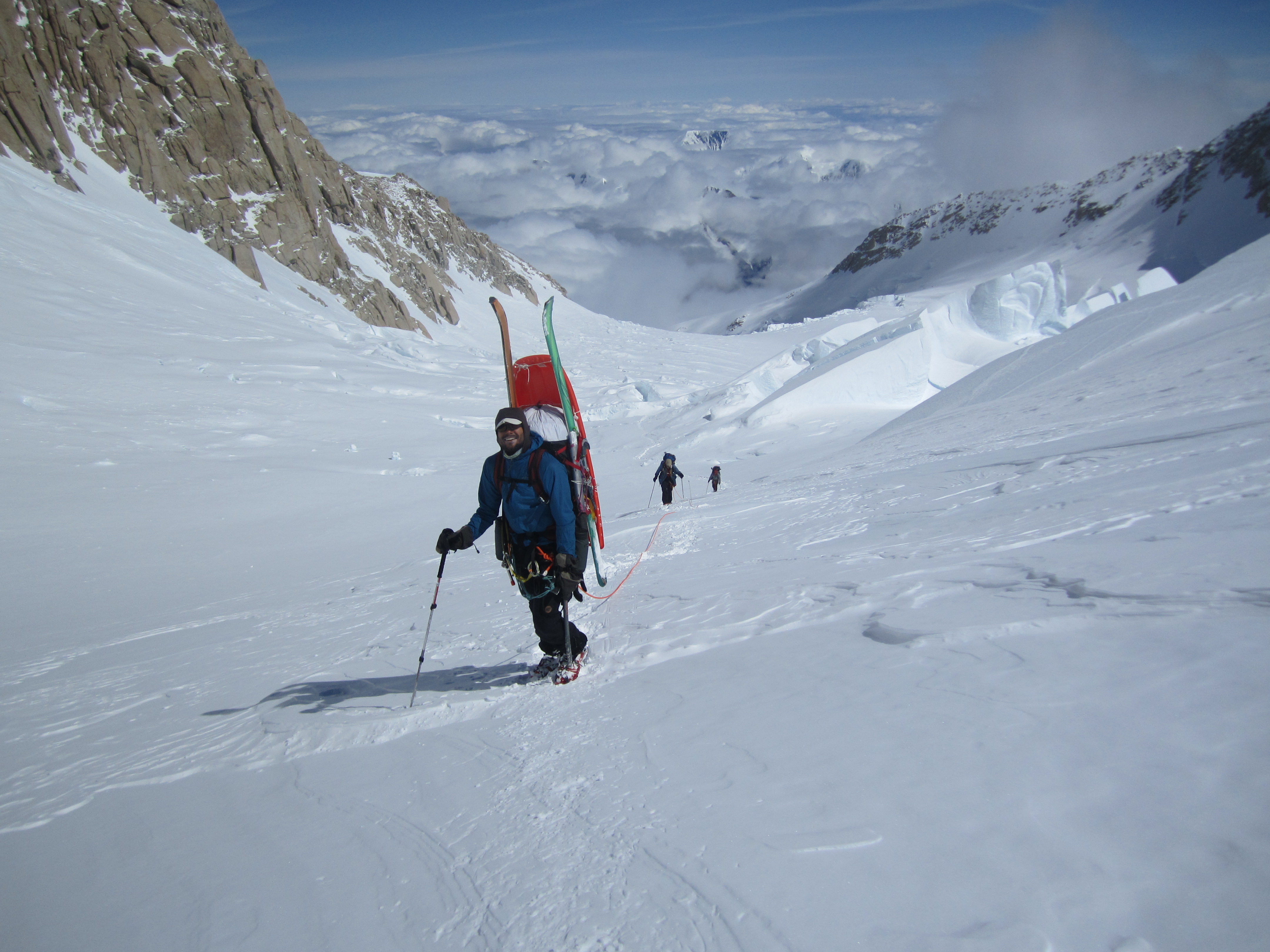
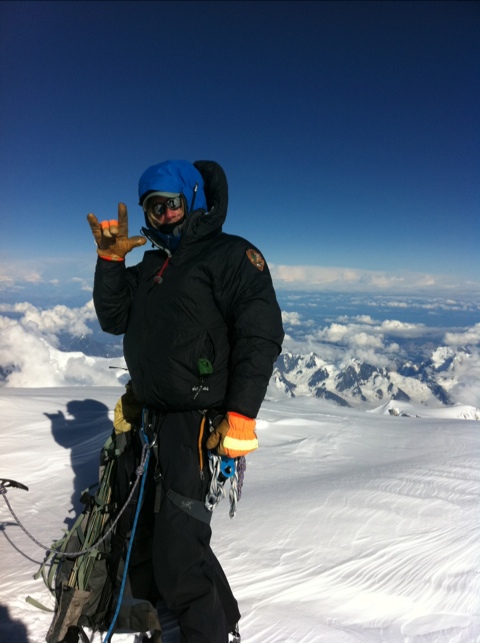
Exposure is a clarifying force- on the diving board at 17,200'.

Get Your Hands Dirty

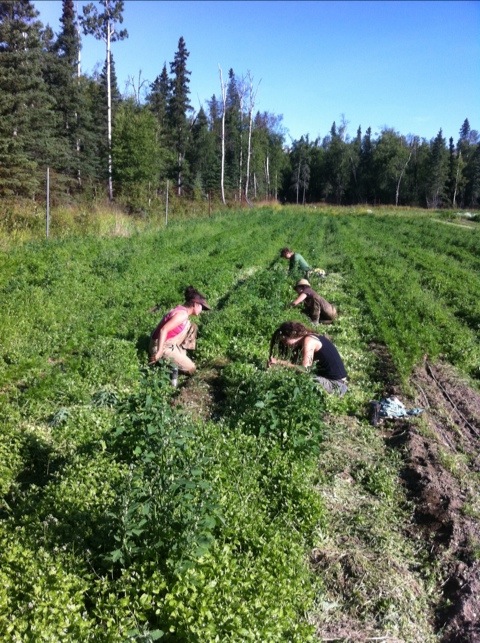
I spent 4 days this week working at Arctic Organics– one of the first and oldest organic farms in Alaska. After 8 weeks chasing various adventures, the simple, humble manual labor was intensely valuable. I’ve been staying in Palmer with my good friend Margaret who is the director of The Alaska Farmland Trust. Her group is working to preserve farmland in Alaska and grow the local food movement I cannot speak more highly of her efforts. She put me in touch with Sara and River who own Arctic Organics, and they introduced me to a carrot field that needed weeding… lots of weeding. I shared the work with a fun team of other kids in their 20s, working hard in the fresh air and pulling an enormous mass of unwanted biota from the carrot beds. It’s good to get your hands dirty.

20110730-102425.jpg

Getting it done...

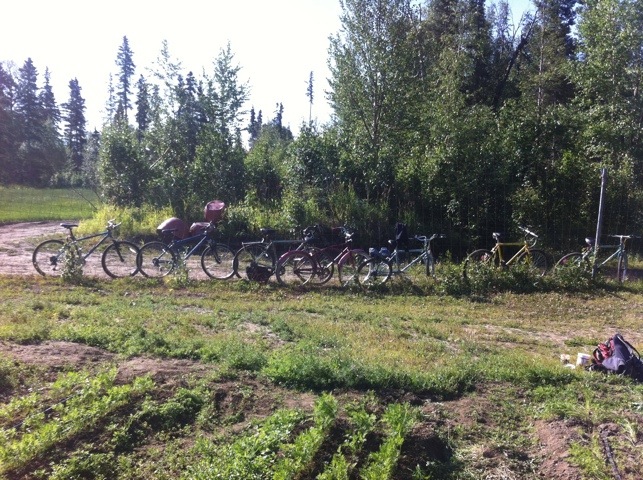
20110730-102433.jpg

Have I mentioned I love biking to work?

True to the website statement, Arctic Organics is leading the charge for local organic food in Alaska, and while I did appreciate getting paid for my efforts, it felt like a privilege to be a part of their operation even if only for a short time. Nowhere else in the country perhaps is the issue of local food and sustainability so important- if food was not flown to Alaska in airplanes it is estimated that the state would start facing food shortages in as little as 3 days. Do you know where your food comes from?

20110730-102442.jpg

Sometimes you gotta stretch out between weeding sessions.

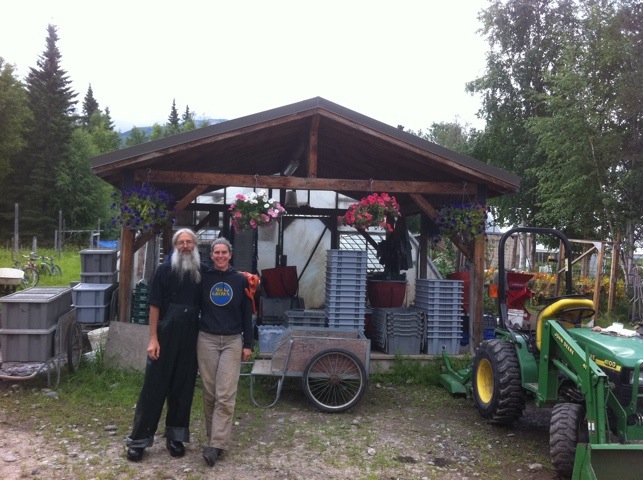
20110730-102450.jpg

Visionary owners, and folks I look forward to seeing again.

The opportunity also spurs some thoughts on labor- I couldn’t help but relish the feeling of looking down a freshly cleared bed after several hours of working on my knees. It’s a Case for Working with Your Hands, and a reminder that while work often prevents us from playing, it is also essential to balance the endless play I have had the pleasure of experiencing this summer. I have to admit, it felt good to go to work in the morning (but also that my knees didn’t feel so good after 4 days on the ground…). I look forward to including other new and varied work experiences along my travels, as well as considering what other options might give me more fulfillment in a permanent work arrangement.

Matanuska Peak

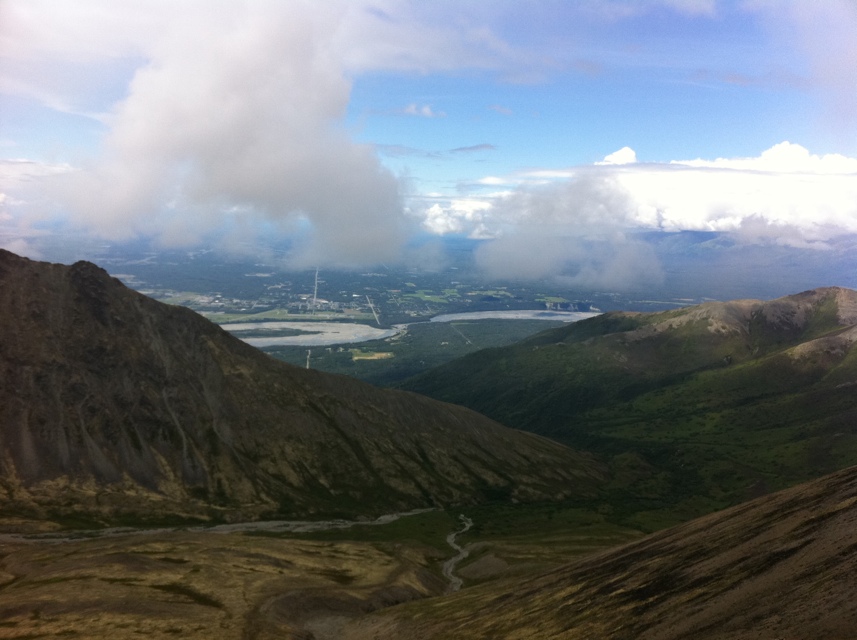
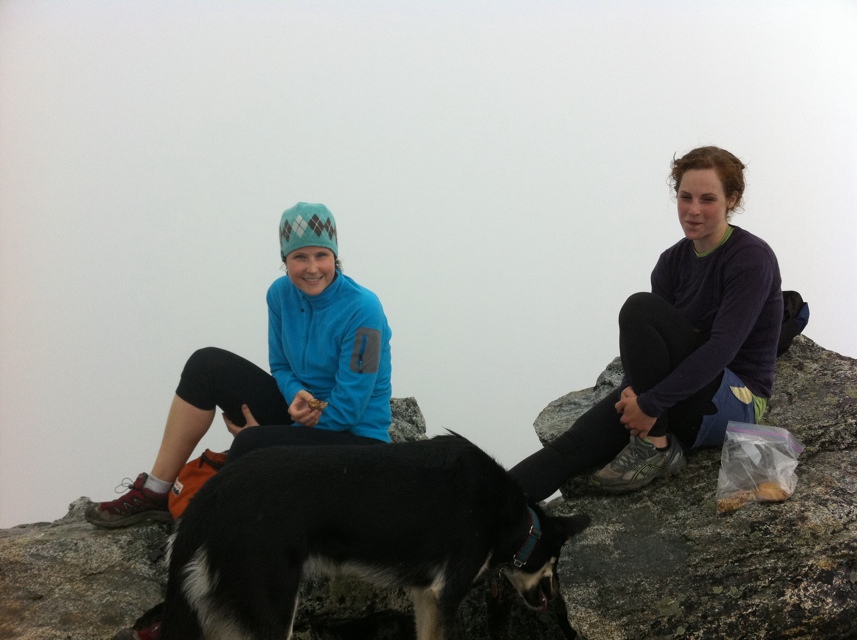
When I first came to Palmer in 2007, I was taught to “always climb things that inspire you, regardless of their grade or requirements.” And I saw Matanuska Peak for the first time. It inspired me then, and now, so today I climbed it with two stellar local companions. 6,000′ vertical each way and 10 miles later, I’ll say I’ve earned my cheesy corn grits tonight. I’ll try to get a good photo of the overall peak and area tomorrow, I forgot to take one today…

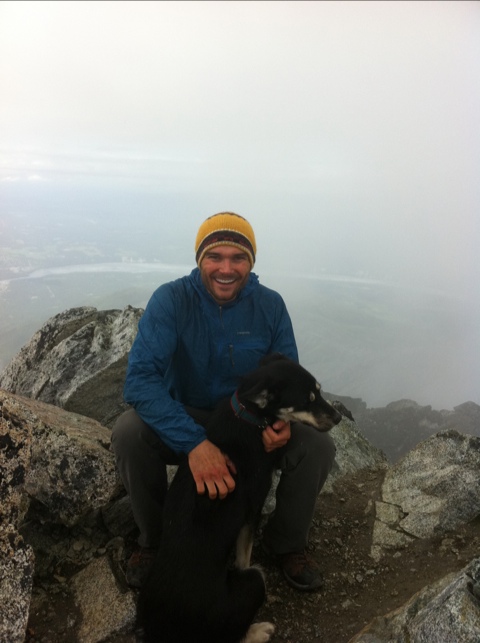
20110727-092700.jpg

Eluna- super awesome dog, and me, on the summit.

20110727-092707.jpg

Not bad for a rainy day...

20110727-092714.jpg

Coming down the cirque.

20110727-092723.jpg

Stellar teammates. Thanks you two!

20110729-122642.jpg

Exploring the Brooks Range

Maybe its something about extremes, but Gates of the Arctic is the northern-most National Park in the US, and protects a vast expanse of the Brooks Range, the northern-most major mountain range in the world. I’ve wanted to get there since I first came to Alaska in 2007 and after one trip, it’s safe to say I’ll be back shortly. I was fortunate to use this opportunity to introduce my good friend Mackenzie from Valdez, AK to the fine art of backpacking. Mack is tough as nails, and stands out mostly to me for her willingness to jump into adversity and make the best of it. This trip was no exception, and we had a very good time.

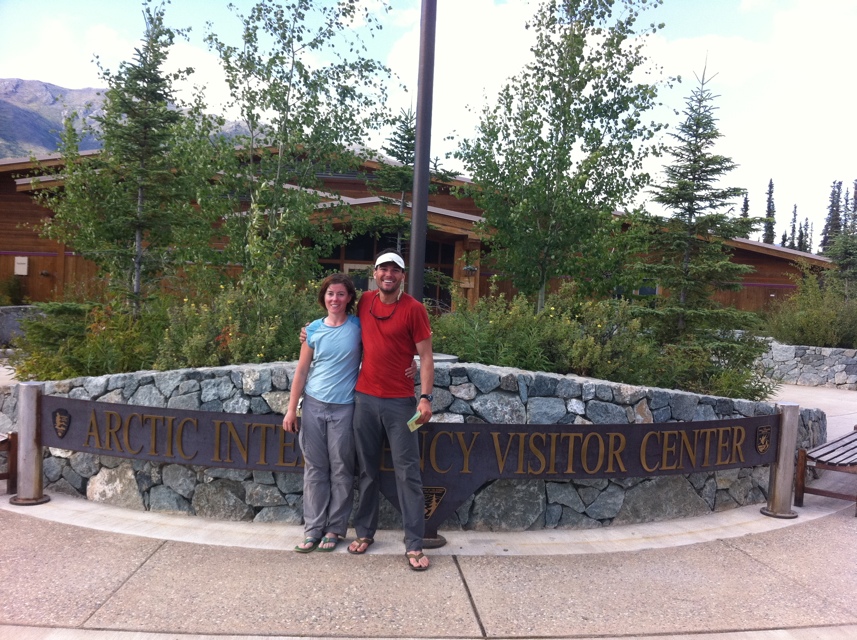
There are no roads into Gates of the Arctic National Park. Just getting there is no small adventure- we drove 6 hours north from Fairbanks on the Dalton highway, sharing the partially paved road with massive industrial vehicles, Honda endurance motorbikes, and distinctly timid tourists. After checking in at the Arctic Interagency visitors center we left the car outside of an active mine walked west towards the park border. We didn’t get there the first night- it’s aways back in there, and we got our first fill of Alaska finest mosquitos, bushwhacking, and general bogginess. It being summer, we had continuous daylight, and didn’t really notice leaving the car at 10pm and making camp at 2am.

20110724-124343.jpg

Crossing the Yukon River on our way north!

20110724-124352.jpg

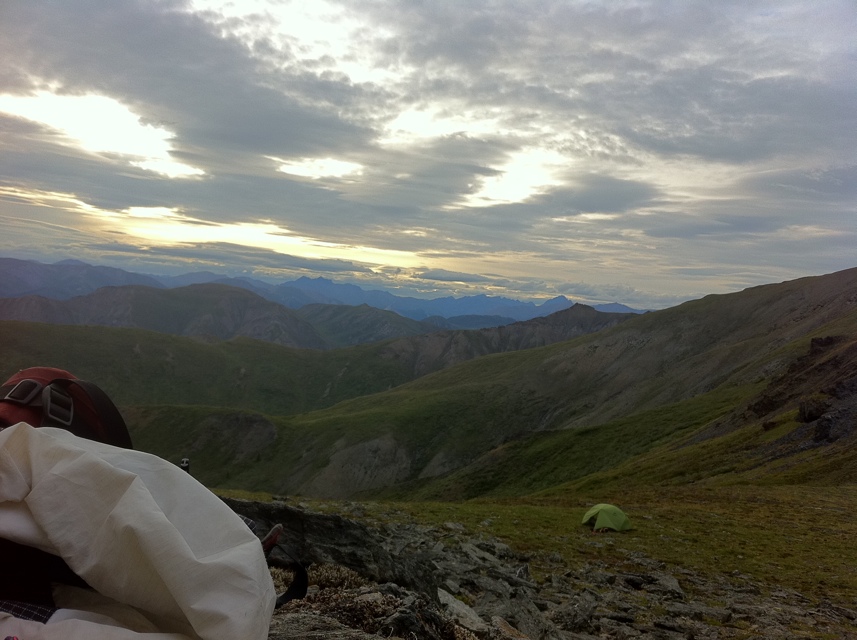
Ridgetop camps are awesome.

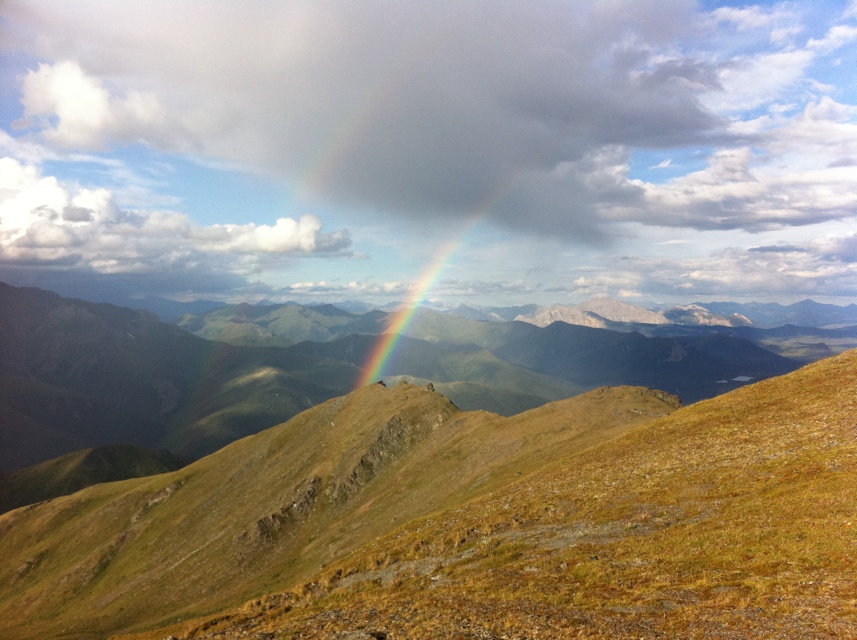
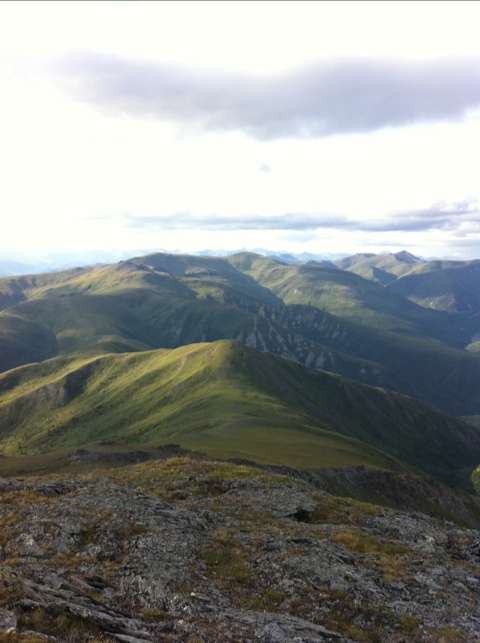
We spent 2 days moving up the Glacier River valley, then climbed a broad ridge to the northeast gaining 1,200′. There are no trails in Gates of the Arctic National Park, so while our mileage was low, our effort was not. After Denali and a short turnaround in Palmer, I felt no need to push for mileage as Mack and I got used to working together to sort out navigation, river crossings, and camping arrangements. Once on the ridge, we continued northeast towards Jesse Peak, then south along 10 miles of gorgeous ridgeline, staying more than 2,000′ above the river bed to the west. It was spectacular. Trails in the highcountry were furnished by the local Dall Sheep population, whom we were privileged to observe on several occasions. We walked when we wanted, we played cards when we wanted- we journaled and talked and listened to music off one iPod and one set of earbuds. Compared to the moutaineering and technical climbing I’ve focused on this year, it was a glorious vacation at the top of the world. Enjoy the photos…

20110724-124404.jpg

Double rainbows are awesome.

20110724-124415.jpg

Ridgetops are the fastest way to get around back here.

20110724-124425.jpg

Post-trip, pre-shower, after dropping the bear cans.

Part 7: Teardown

One of the stipulations of being on the Muldrow Glacier patrol was also to assist with tearing down the 7,000+ lbs of tents, food and supplied stored and used by the National Park Service at 14,000′ on the West Buttress route of Denali. This usually takes place every year in the second week of July and involves packing the camp into helicopter netloads, and flying the loads off using the A-Star helicopter taking ~500lbs per trip. My first patrol in 2009 (in which I was able to visit the South summit of the mountain), was conducted expressly to complete this purpose, so the task was not new to me.
20110724-121413.jpg

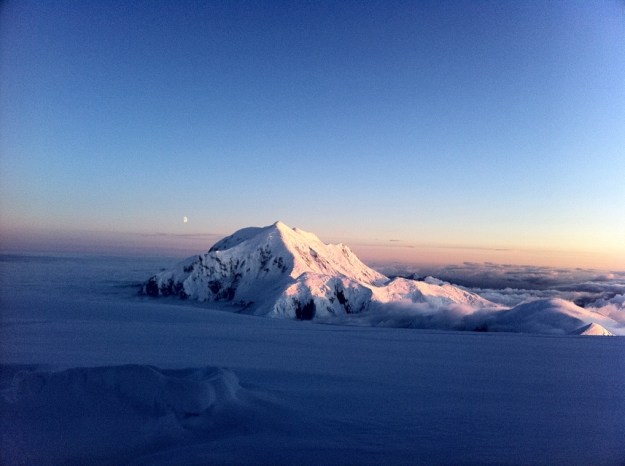
This view seems familiar...

20110724-121426.jpg

The best pooper view in the world?

July 8 myself and three others descended to the 14,000′ camp to begin teardown and meet another NPS patrol- two others stayed high to return to the south summit on July 9 as the good weather was sticking around. In hindsight, this left quite a bit more work for some of us down low. The Park Service often has a hard time figuring out when when and how to schedule and stage these loads, so teardown can be a cat and mouse game between the rangers on the ground, the weather, and helicopter availability. We pulled into camp, and the park administration immediately called wondering if we had loads ready to fly.

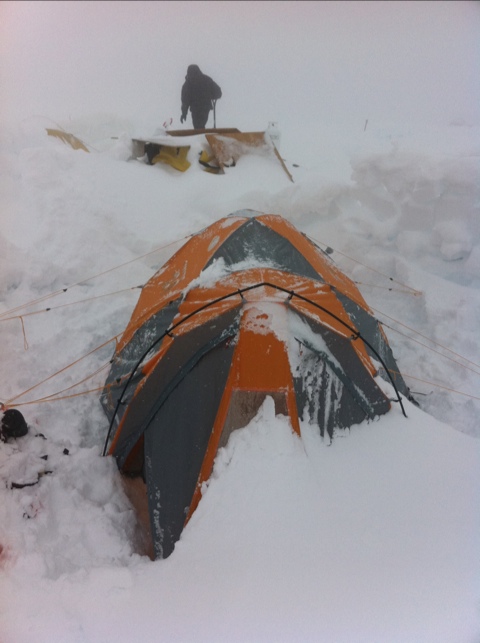
The next few days were lost in a blur of furious activity. The rest of our team arrived at 14 and we put our backs into getting things packed tight. The weather unfortunately, rewarded our efforts with a whiteout and unfliable conditions for 3 straight days. With loads rigged and ready, we were stuck until we could fly loads. Most volunteers had flights on the 14 and 15, so the evening of July 12, one ranger and 7 volunteers left on ski/snowshoe to walk to basecamp and fly out, while one ranger, myself, and 2 other volunteers with looser time commitments stayed behind to finish packing and fly loads once the weather broke. We knew we still had a lot of work to do, but it was a hurry up and wait situation, with 7 folks not being able to wait any longer. The 8 folks walking down had their own adventure in the horrendous conditions of the lower glacier- multiple cravasse falls, whiteout, and slogfest conditions were reported.

20110724-121444.jpg

Just a little snow on the tent to shut down helicopter operations.

The morning of July 13, the clouds broke clear and we got word the helicopter was finally inbound. Starting around 9am, we sprinted to make the final arrangements, and fly off 15 helicopter net loads before the weather closed in. Not quite enough. We sat with 2 loads to go plus one trip for ourselves, and debated sitting on the mountain for another few days with minimal food and fuel, four guys to a tent. Around 7pm, things cleared up just enough to get the last loads, and ourselves, off the mountain. We felt a little like heros, but mostly we just felt worked- physical labor at 14k will drain you. We flew back to Talkeetna on the last flight and landed back in town around 9pm, just in time for last call at the West Rib. There was much celebration, and a nail biting finish to an outstanding expedition.

Thanks to Dave, Tom, and Minu for working like machines to get it done at the last minute. Thanks to Chris for bringing me on patrol in the first place. Thanks to Josh, Drew, and Bob for their unlimited encouragement and partnership. Thanks to Andy and Rico for the ride home. Thanks to Amanda, Margaret, and Michael for making Alaska feel like home away from home. Thanks to all of you for sharing the adventure with me, I’ll post more photos as I sort through them.
20110724-121456.jpg

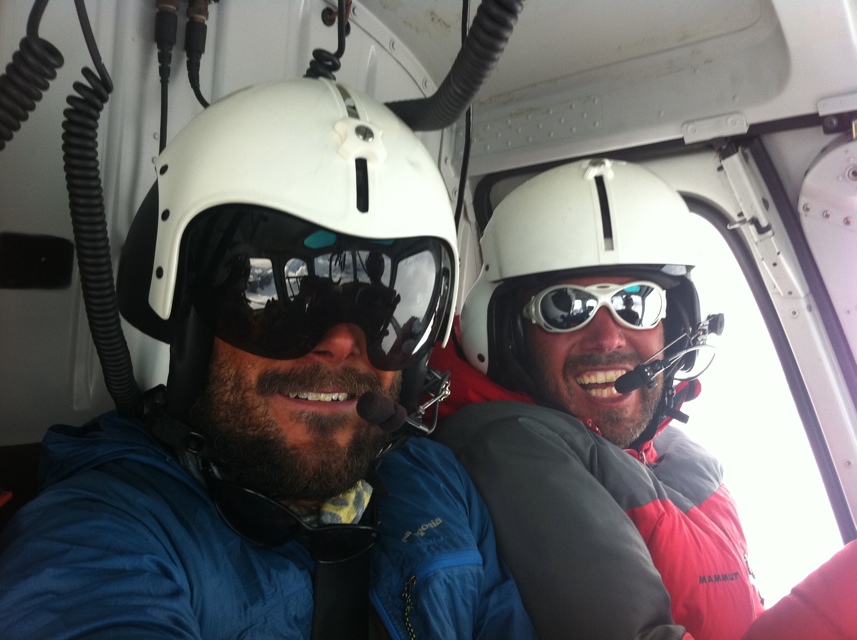
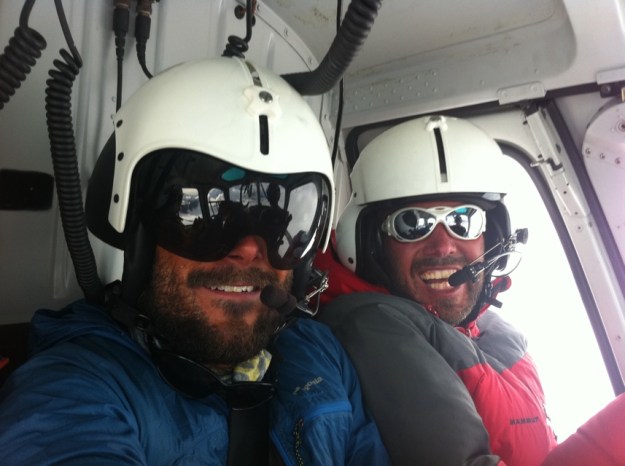
Minu and I, on the commute home after a hard days work...


Part 6, Summits

After getting worked on the traverse, we all agreed July 5 was prime for a rest day. It was tough being at 17,000′ with good weather and not going for it, but I had a stiff headache and didn’t feel acclimatized yet so I knew it was well timed. July 6 I woke up feeling better and our team considered going back up Denali pass for the summit but rooster tails of snow peeling off the ridge indicated it would be a rough day to go. I still wasn’t feeling 100%, and was grateful for another rest day.
July 7 was go time. The weather was solid and we all felt strong. Given that Chris, Josh, Drew, and I had already been to the south summit (20,320′), our team split up- Tom and Bob going south for their first true summit, and rest of us going north to summit the rarely accomplished north peak (19,470′). The north peak is slightly more technical and remote, and far less popular. Needless to say while Tom and Bob shared the summit with 35 other guides and climbers, we were alone in a different universe 2.5 miles away on the north summit. Once we reached Denali pass we found ourself in an unceasing ~15 mph wind that made the next 7 hours unfortunately cold and miserable. It was closer to the edge of comfort than we would have preferred, but manageable. We summited around 700pm, took a few quick photos and headed for home. An awesome culmination of awesome experiences with 3 incredible men. It was truly an honor to be a part of. I’m pleased to congratulate Tom and Bob on a successful trip to the south summit as well. Back in camp around 11pm, there was no doubt it had been a solid day. Stellar.

20110716-013308.jpg

20110716-013420.jpg

20110716-013440.jpg

Footprints

(from June 29, 2011)
In wilderness mountaineering breaking trail is one of the more arduous tasks- wallowing in deep snow is tiring, you don’t know where the crevasses are, navigation is difficult, and your energy drains quickly. Teammates share this labor, accepting the risk of hazards, easing the load on their teammates, walking as an example for the others to follow. Living with 5 guys on a mountainside for a few weeks, the examples (and trails broken) of my teammates have been hugely rewarding. For some reason though, being out here has also amplified my appreciation for a number of remarkable women that I’ve been privileged to have in my life- teammates perhaps in the grander adventure of life. My life has been significantly and positively enriched by these teammates, the trail they have broken for me has shown up strongly out here. Maybe because women are simply different from men, or because they do things differently, or because in general women inspire (or require) more humility from men- much as mountians do- the examples deserve note. Funny what stands out in an all male environment. A few of their footprints:
-Cin, flatly rejecting the limits placed before her.
-Margaret, demonstrating outstanding generosity and outward expression of love.
-Kelly, having it all and not being complacent.
-Mackenzie, leaping into adversity and making the best of it.
-Emily, finding creativity in unlikely places.
-Courtney, knowing when and how to let it go.
-Erica, leading by example first and foremost.
Some of these women I have known a long time, some I don’t have the privilege of knowing well enough. All of their paths stand out clearly. To all of you, thank you. Your footprints make finding my way a great deal easier.

Part 5, the Harper Glacier

The Harper glacier could be considered an extension of the Muldrow, but with a distinctly different flavor. After the Icefall we skirted on Karstens ridge, the Harper exists solely above 15,000′ and is one of the coldest, most windswept, and barren places in commonly travelled mountaineering. Stories of demolished tents and bitter temps humbled our expectations and set our senses on edge for this portion of the route.
After rescuing the Russian guys, the weather closed in and we declared a rest day. July 3 we woke up ready to roll but found our tracks from June 30 covered by over 3 feet of fresh snow. The trail breaking was absurd and visibility was almost nil. We could feel the trail undef the snowpack, but could see it. As the third guy on the first rope if I stepped incorrectly, I was buried in bottomless powder up to my chin. We took turns breaking trail, the visibility lifted and slowly we worked our way onto the upper Harper. Late in the day I broke trail again through the Icefall. I probed our old track and kept an eye on our wands but still managed to take a cravasse fall over my head. This time the crack was dry and I was able to get myself out quickly, but I was happy to have solid rope mates behind me. Despite a full days effort we didn’t make it back to the cache we had put at 16,800′. We camped cold and tired in the seracs at 16,200′.
July 4 was a day to remember. We packed camp quickly, picked up our cache, and pushed up to Denali pass dragging sleds. The park service needed our team to staff the 17,000′ camp on the West Buttress, so we completed out traverse and headed down Denali pass carrying over 100lbs each between packs and sleds. Before descending the pass we enjoyed meeting the NOLS team coming down from their successful summit push- way to represent guys. It was good times but descending the pass with sleds was maddening, and we got worked. With skis and wands on my sled it did nothing but barrel roll down the pass, attempting to pull me off with each turn. Everyone else’s sleds seemed to slide fine. The profanity emanating from my mouth was not one of my finer moments, and hitting the 17 camp never felt so good. We had completed the traverse and were in spectacular position for the summit.

20110716-011420.jpg

Part 4, Browne Tower and Rescue

Having got all our gear to Browne Tower we were excited to be in such an awesome position on the route with plenty of food and fuel for a potential summit push from the upper Harper glacier. Our campsite was less than ideal, having carved it out of a 35 degree avy slope, but it worked, and June 30 we moved a cache of gear up to 16,900′. Above Browne tower lies the Harper glacier, a cold, windy place with a reputation for destroying gear, morale, and people, and being the second to last major obstacle of the trip. Moving a cache allowed us to acclimate to the high elevation, build some walls for a future camp, and get a feel for this tough, wild place.
When we got back to camp, the Russian duo we had been concerned about stopped by and asked us to look at one of them. Due to Park Service rules about patient care we knew that assisting this group might have a massive impact on our trip. The team had ascended the route too quickly, and one member showed serious symptoms of both high altitude pulmonary and cereberal edema- potentially life threatening conditions. The morning of July 1 we officially took the patient under our care- his oxygen saturation was in the mid-30s and it was obvious his partner was unable to care for him. We spent the day outlining various options for rescue and waiting for his response to drugs- while a rest day, it wasn’t very restful. It was snowing heavily with low visibility, heavily loading the avalanche terrain on the ridge below us. The Muldrow is a remote route without many good rescue options and significant terrain hazards- a crappy route to rescue someone off of. Late that night rangers in Talkeetna decided that a helicopter evacuation was the best option but that required far better weather. The snow finally stopped and we used the window to scout and prepare landing zone for the helicopter. The morning of July 2 we had a short window of clear wether, got the helicopter in, got the patients out, and had a special delivery of cinnamon rolls from the local bakery.
The weather closed again immediately after the rescue and continued to dump snow. We declared another rest day and started to wonder how hard getting to our cache would be with almost 3 feet of fresh snow covering our tracks onto the Harper.