Category Archives: Business

Rent

(the views below are my own, and are no way professional opinions or necessarily the views of my employer)

Yesterday I signed a lease on a new place to rent for the next year. 2013-2014 will be another year that owning the space I live in eludes me. Several friends though, have made this the year and know that I have opinions about their position. I haven’t bought a house. There’s a huge amount on the internet that covers this topic. Several friends have requested this post repeatedly of late. I wanted to share the top three things I’ve thought about digging into their questions from the perspective of a contractor, engineer, and fiscal tightwad.

Track Your Money.

Use Mint.com. If you can’t say exactly how cash positive you were in the last 6-12 months, you’re probably not ready to buy a home.

Learn About Mortgage Finance

Make sure you understand exactly how much money a bank is about to extract from you. Spend an hour on the Wolfram Alpha Mortgage Calculator and write down what you learn.  This is going to determine how much house you can actually afford. The number one headache I see clients struggle with is being unrealistic about what they can afford for both new buildings and additions. Don’t buy more house than you can afford.

Look Around Carefully

People will tell you all kinds of things, and NOT tell you all kinds of things. There are three things that are a barrier to doing other (more fun) energy efficiency improvements down the line. Here’s what I look for:

  1. Look for white PVC pipes sticking out of the furnace and hot water heater- this is the sign of a “sealed combustion” appliance.  These are more efficient than code minimum systems, but more importantly they are much, much safer. The first step in doing any other energy efficiency work is having sealed combustion systems. Learn more about the relationship between energy efficiency and combustion appliances here. Even in brand new houses, speculative builders will still prioritize granite counter tops over seal combustion appliances.
  2. Look around the crawlspace. Crawlspaces are prime sources of mold, mildew, and radon, as well as energy loss.  They are expensive to retrofit, and again are more pressing than doing other sexier improvements. You are looking for plastic on the floor that is sealed to the foundation wall.  Look at the foundation wall and make sure that it is solid, smooth concrete.  I would not buy a house with a rubble foundation, or a crawlspace that I wouldn’t be willing to crawl to the outer extents of.
  3. Look (and listen) for a dedicated kitchen range vent, and a functional bathfan in each bathroom (be prepared to negotiate several thousand dollars out of the purchase price). If the fans whine like your 1985 Corolla driving up the mountain, it’s probably not working right. Dedicated ventilation does increase your energy bills, but it reduces the risk of ending up with a mold or mildew problem in your house. Even better, look for a house with a heat recovery ventilator. Again, having a functional ventilation system in the house will give you more options down the line to make other improvements.

The Energy Vanguard blog is one of the best contractor perspectives on the internet.  While it does focus on energy use, Dr. Bailes covers a wealth of knowledge and experience. Set aside a Tuesday night and just start reading.

I hate to bang this post out, but it’s the weekend in the spring and people are shopping.  Happy hunting.
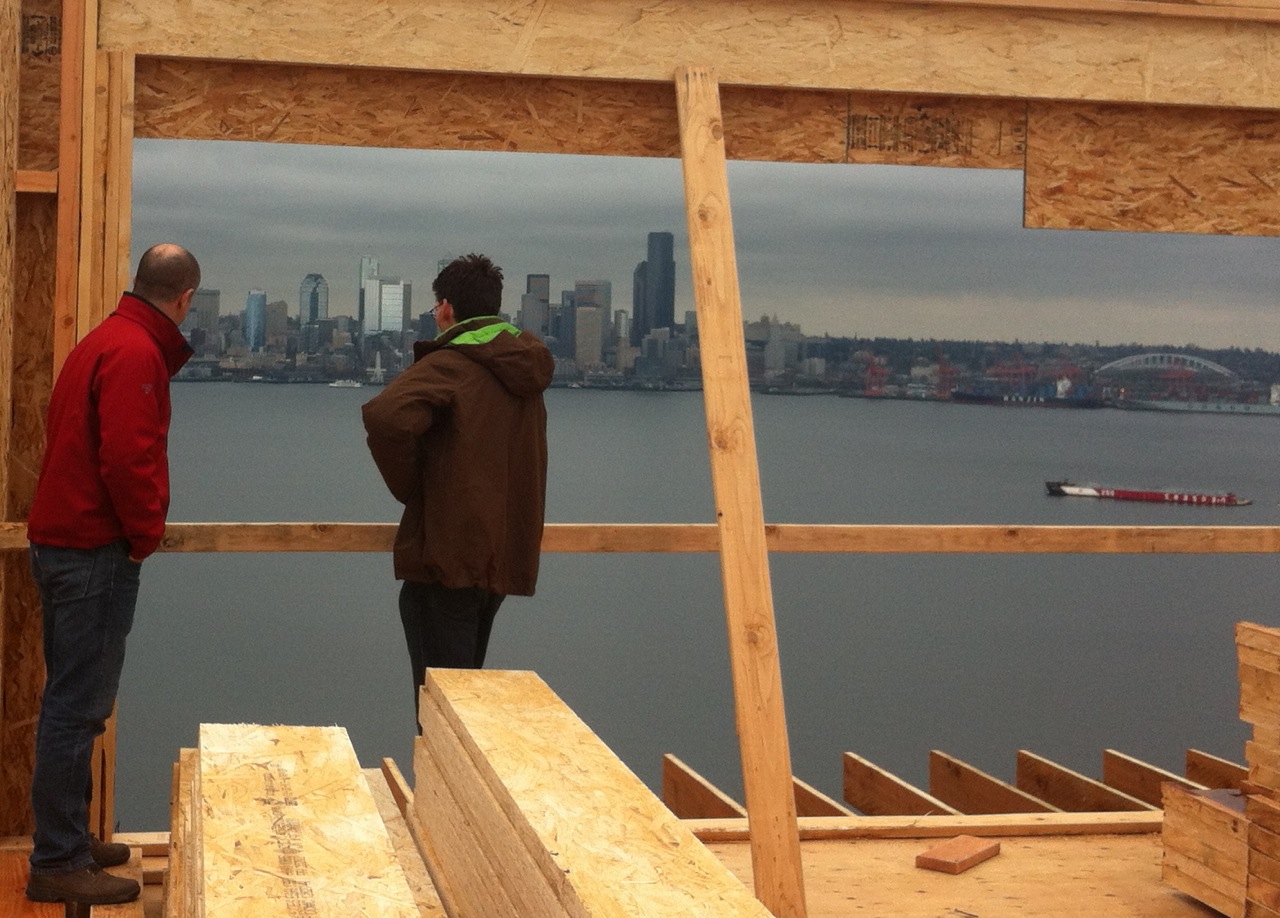
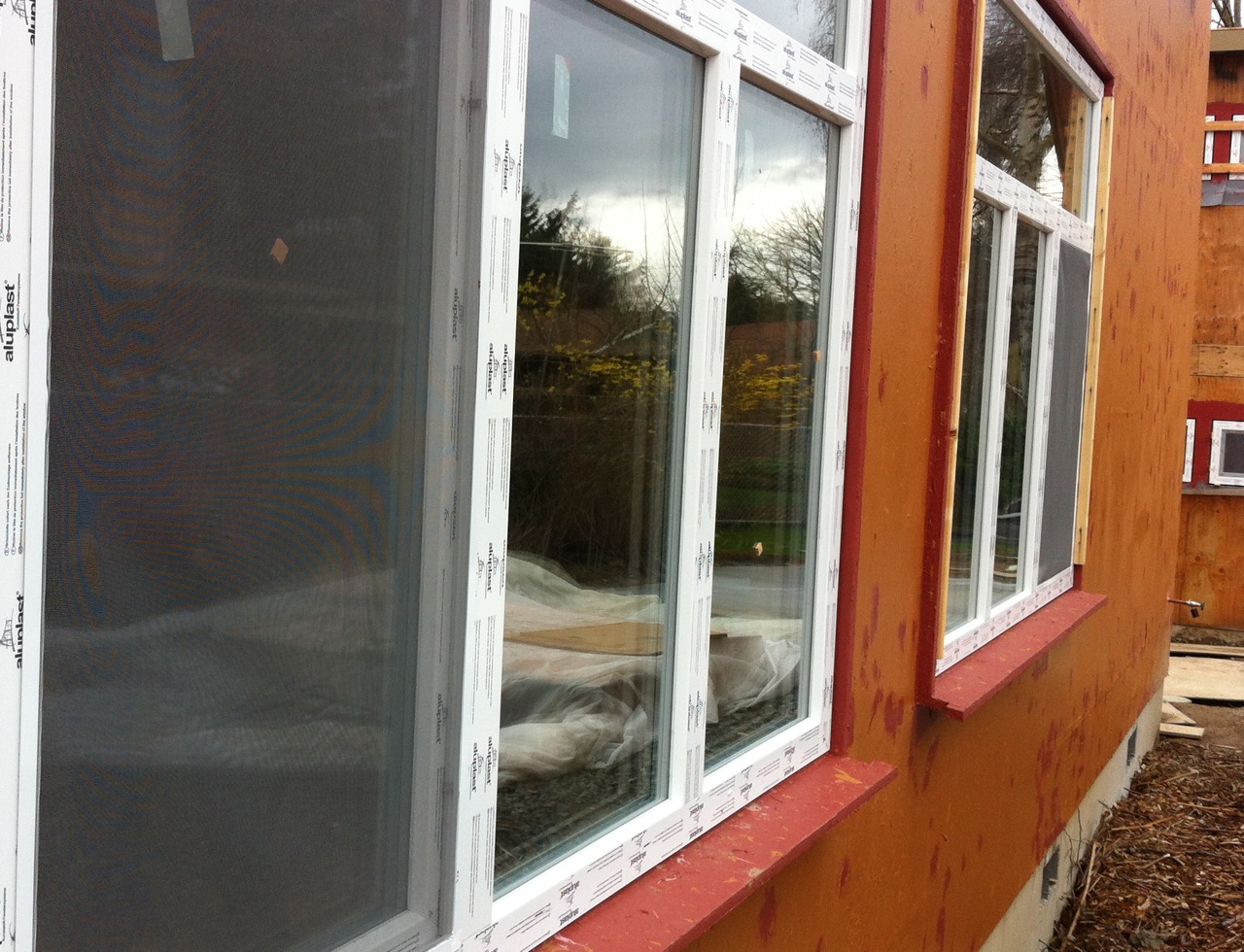
I’ve been in Seattle the last few days to attend the Passive House Northwest Conference.  The German Passive House energy efficiency standard is alive and well here in the Pacific Northwest, perhaps moreso than almost anywhere else in the country.  Beyond lectures on  earthquake stabilized R-35 foundation details and vapor open assembly design, I’ve been here to represent Zola Windows– high performance European built windows.  Energetechs represents Zola because there are no windows made in the United States that absorb more radiant energy than they release in conductive heat loss (standby for an explanation) in the Missoula climate.  Only the Europeans make these things, and surprisingly, it makes sense to bring them here.

That, is a great place to put a Zola Window.

That, is a great place to put a Zola Window.

Zola is a young company run by a brilliant Swiss Architect out of Colorado who started the company at age 26. Like many of the other awesome people I’ve met through the Passive House movement, his core motivation was to maximize the sustainability of buildings and knew that high performance windows are a key part of the equation. He saw the niche, and had the guts to fill it.

I admire him for the fact that he runs a very successful company that he built, from the ground up, and still finishes his day in time to pick up his young child from day care. He figured out that selling hours as an architect limited his impact, when he could have both more personal time, and more impact by selling what he knew was really part of the problem.  I’ve spent a lot of time lately thinking- “I’m in the wrong game.”  I am unimpressed with what I have accomplished in my life, and that frustrates me. This post had previously slammed my friend because I was, on a deep level, jealous of his success- and in a way, knowing him makes me question some of the hard choices I’ve made.

There are many parts to be played in fixing our buildings.  Zola fills an essential need.  Skilled and talented contractors are clutch.  An engaged populace is the foundation.  Manufacturer, builder, consumer- what part are you going to play to maximize your impact on the problem at hand?

The first Zola uPVC windows installed in the US, as of Thursday...

The first Zola uPVC windows installed in the US, as of Thursday…

Feedback

First thing today at work, I got some feedback that I had dropped the ball on a few things, and we probably lost some money, and some respect, because of it.

After work, and my weekend facilitating NLC sessions, our board for the group met and reviewed some of the feedback we had received- as I had invited most of the speakers, and facilitated most of the sessions- I felt pretty invested in it, and some of the negative feedback we got hit me hard.

After that meeting, I got some feedback from a friend that I had really let her down in a big way.  I care about my friends a lot, so I took this more seriously than all of them.

Feedback is the most important thing in the world because it’s when we find out if what we thought (or guessed) and did actually resulted in the outcome we had hope for. In short- it’s how we actually learn.

Professionally it’s pretty easy- if we reduce utility bills, make people happier, and put a little money in the bank, we win, but it usually doesn’t keep me up at night. In my personal life it tends to hit harder, maybe because the lessons feel closer to home, and maybe because it takes a long time to really change who we are. I’ve still got plenty of work to do. Everyday, most of us strive to do our best- and every day, we guess, and we get things wrong.

I have to remind myself that my best is good enough for today. If you get it mostly right, most of the time- you’re probably doing well.  Half the battle is letting go when you’re in the wrong, the other half is hanging on to the lesson.

Branding

If you’ve followed the site for a while, you might notice a few changes today- stickthefeeling.wordpress.com is now stickthefeeling.com.  You can expect to see some custom layout changes, some video content, and soon- an updated professional page for friends and small businesses.

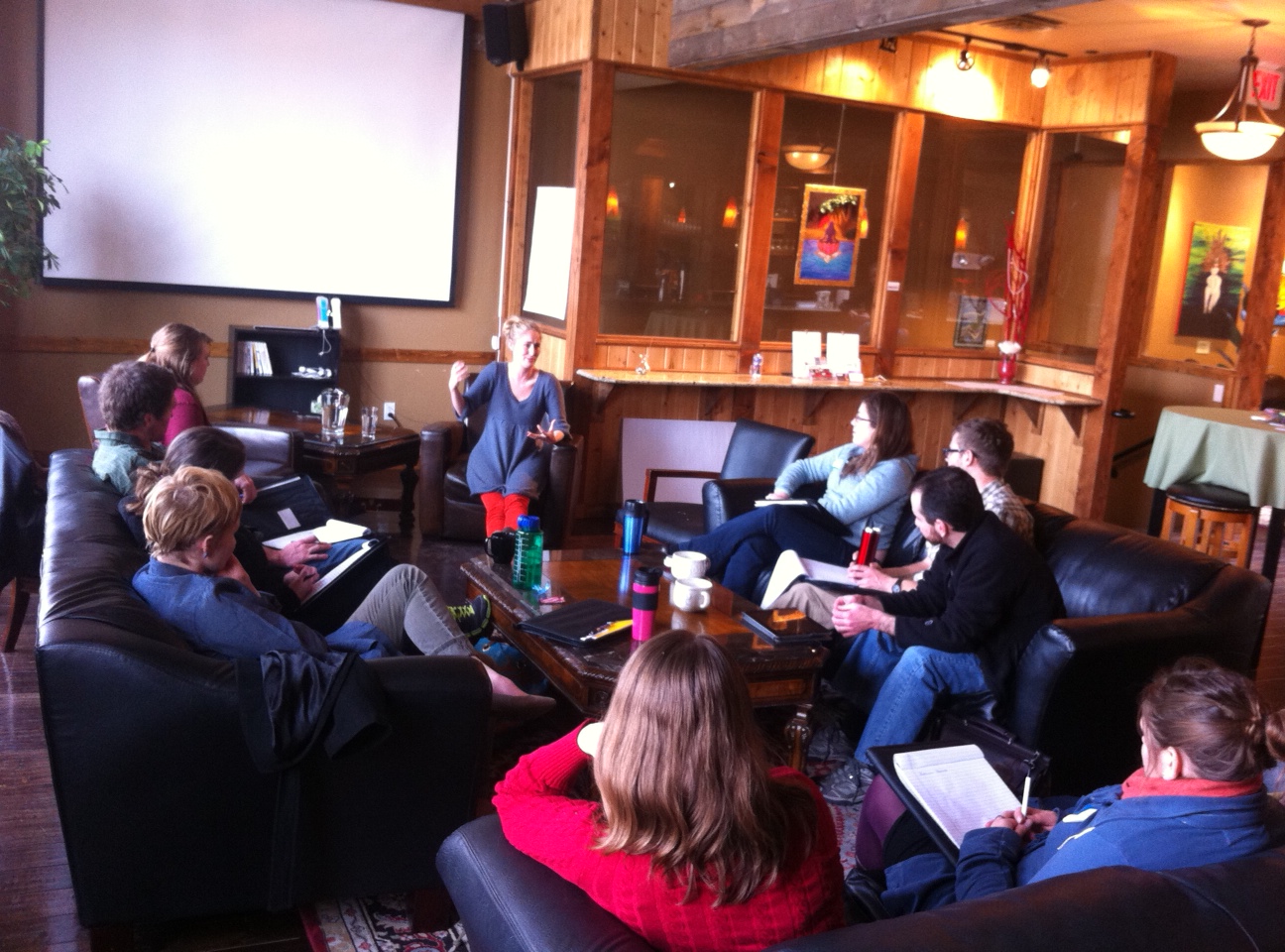
Elke lays it out for our group.

Elke lays it out for our group.

Last year, I wrote a lot about New Leaders Council – Montana and the important relationships the group has helped me cultivate in the Western Montana community.  This year, I’m on the board and have been coordinating speakers for the seminar series and setting up mentorship for our fellows to foster some of these awesome relationships for other people.  One of the notes I took during last years seminars was to continue to build the strong personal brand that I started here in 2011.  Part of that is owning this domain, and committing to keeping the content fresh and growing.  No, building my brand does not mean slighting my work at Energetechs- if anything, my work there is only growing deeper, stronger, and more meaningful.  I think having a strong personal brand will only compliment that work.

While facilitating the NLC sessions has certainly absorbed quite a bit of my discretionary time, we’ve had a weekend full of amazing presentations with leaders from the following folks.  A huge thank you to the following people:

Stephanie from The Truman National Security Project
Bryan&Erin from AERO & WVE
Russ & Tynille from Energetechs and Monkey Bar Gym Missoula
Susan from United Way of Missoula
Gen&Josh from Garden City Harvest
Elke from MamaLode

Many people complain about the economic environment in Missoula, but I am continually blown away by the quality of leaders and entrepreneurs that we have met with.  Please check out the awesome things happening at each of the above organizations.

Earned

You hear it all the time, “he/she is a natural.”  “The kid is an expert at 22.”  “They did [insert climb/performance/activity] with excellence beyond their years.”

No doubt, the world of both climbing and music (both performance oriented activities) have seen increasingly amazing performances from a wide cast of participants in recent years.  Younger people doing harder and harder things, and this post is not to downplay their achievements.  To be transparent, their achievements make me honestly question how I have spent me time, and what I hope to accomplish in the grand terms of my life.  In the greater lens of life beyond sport and music, I believe firmly that real excellence is usually harder won than some youth would have us think.

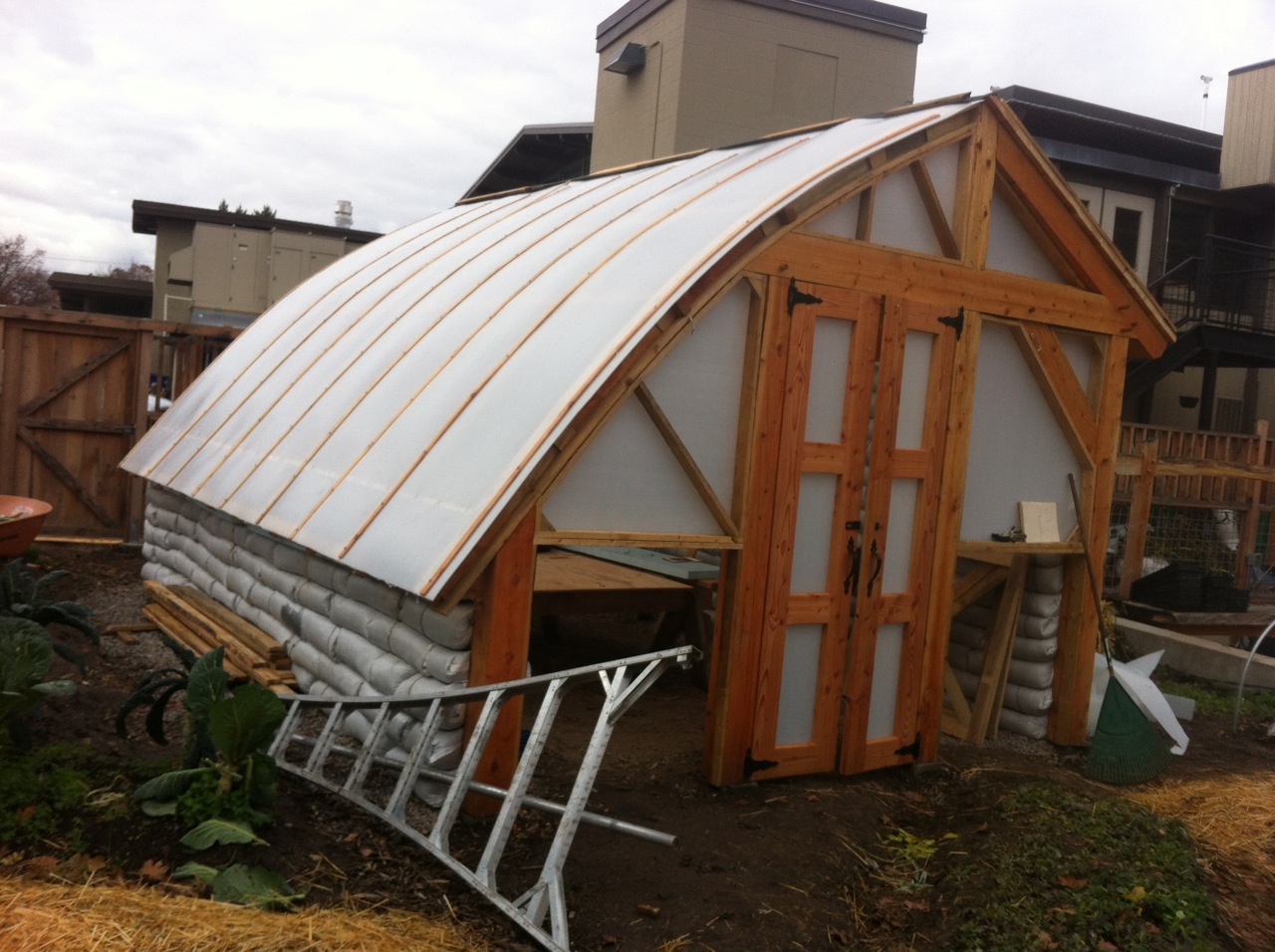
UM Dining services greenhouse- starting plants for consumption on campus.

UM Dining services greenhouse- starting plants for consumption on campus.

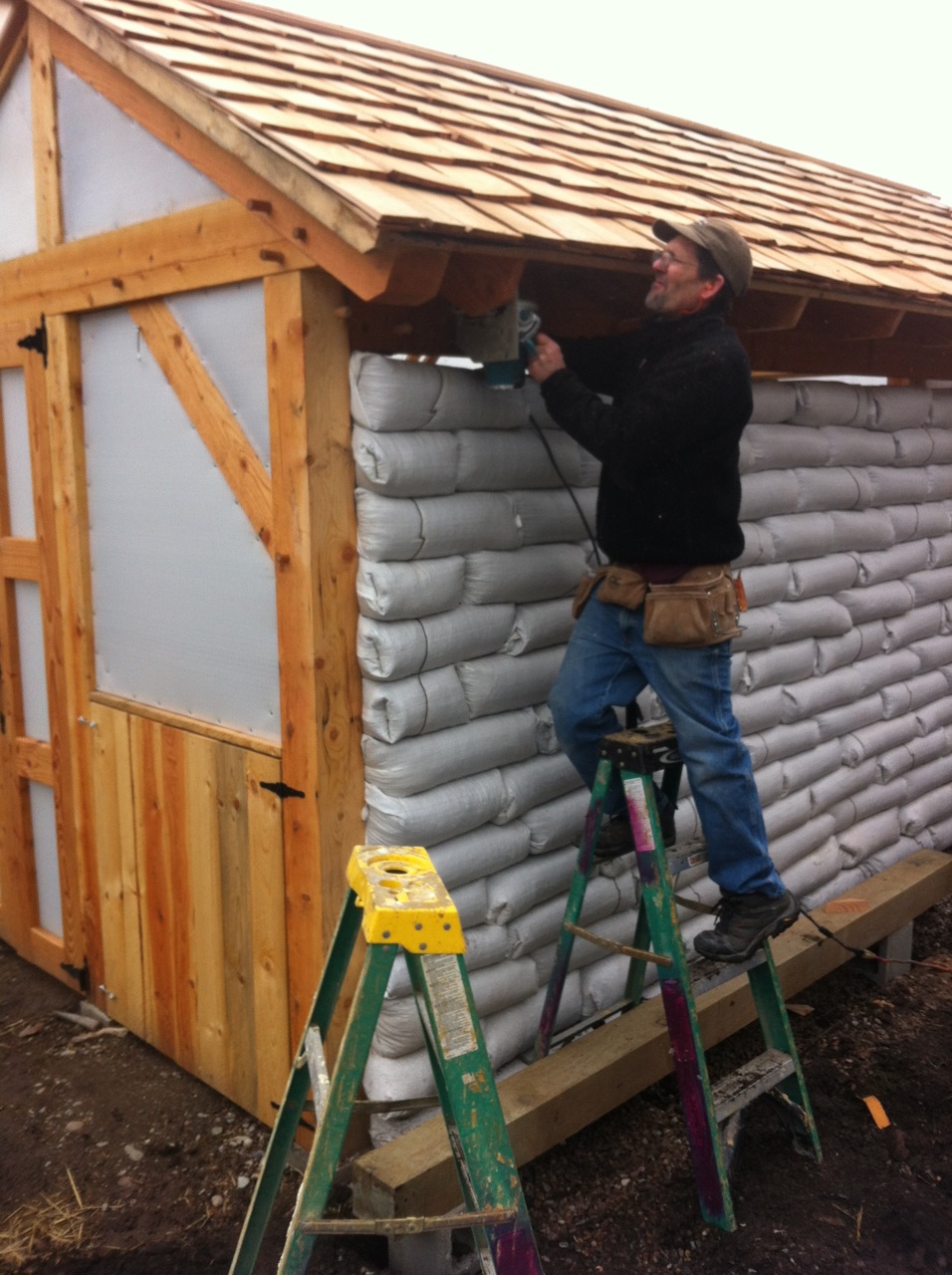
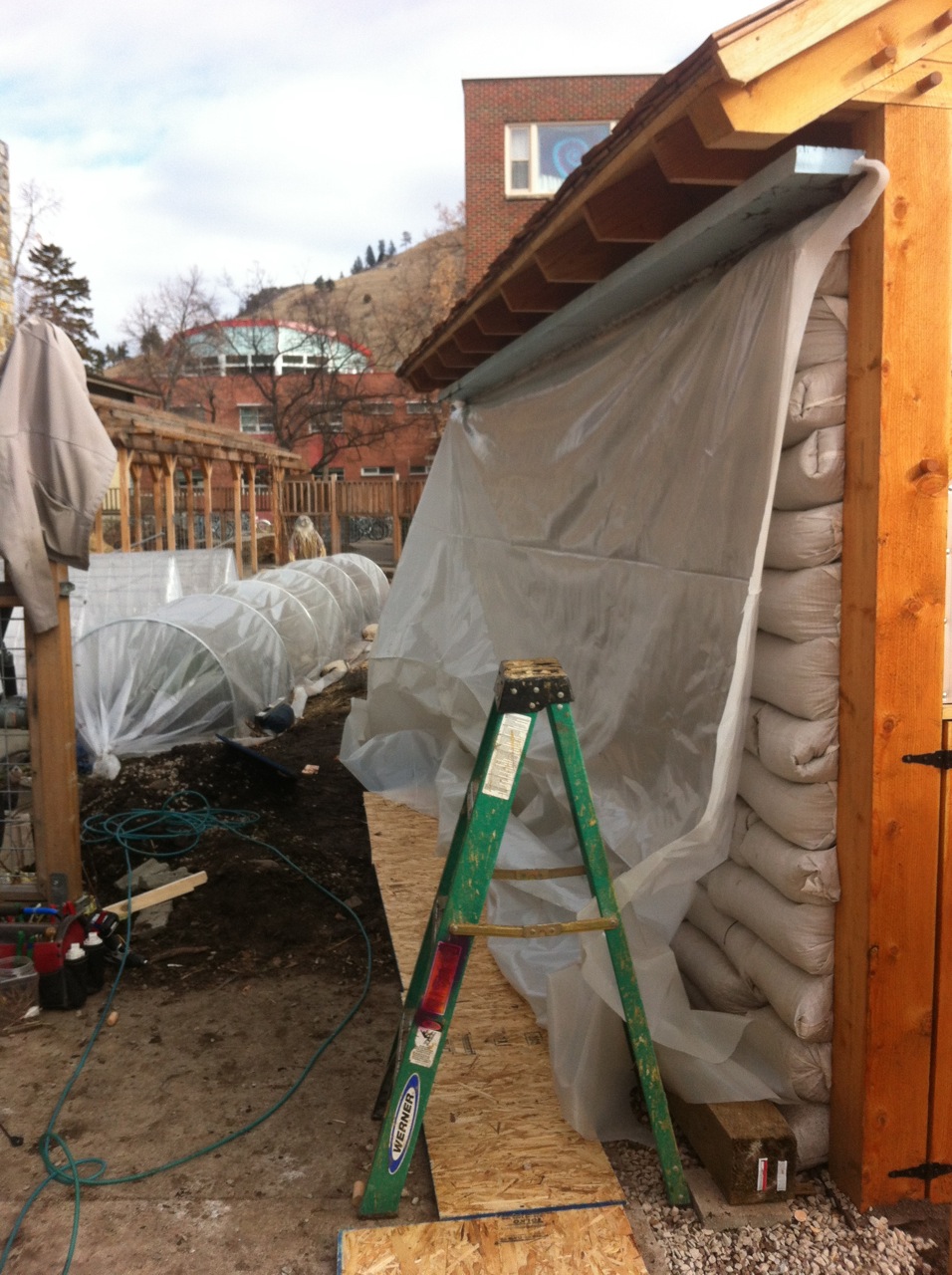
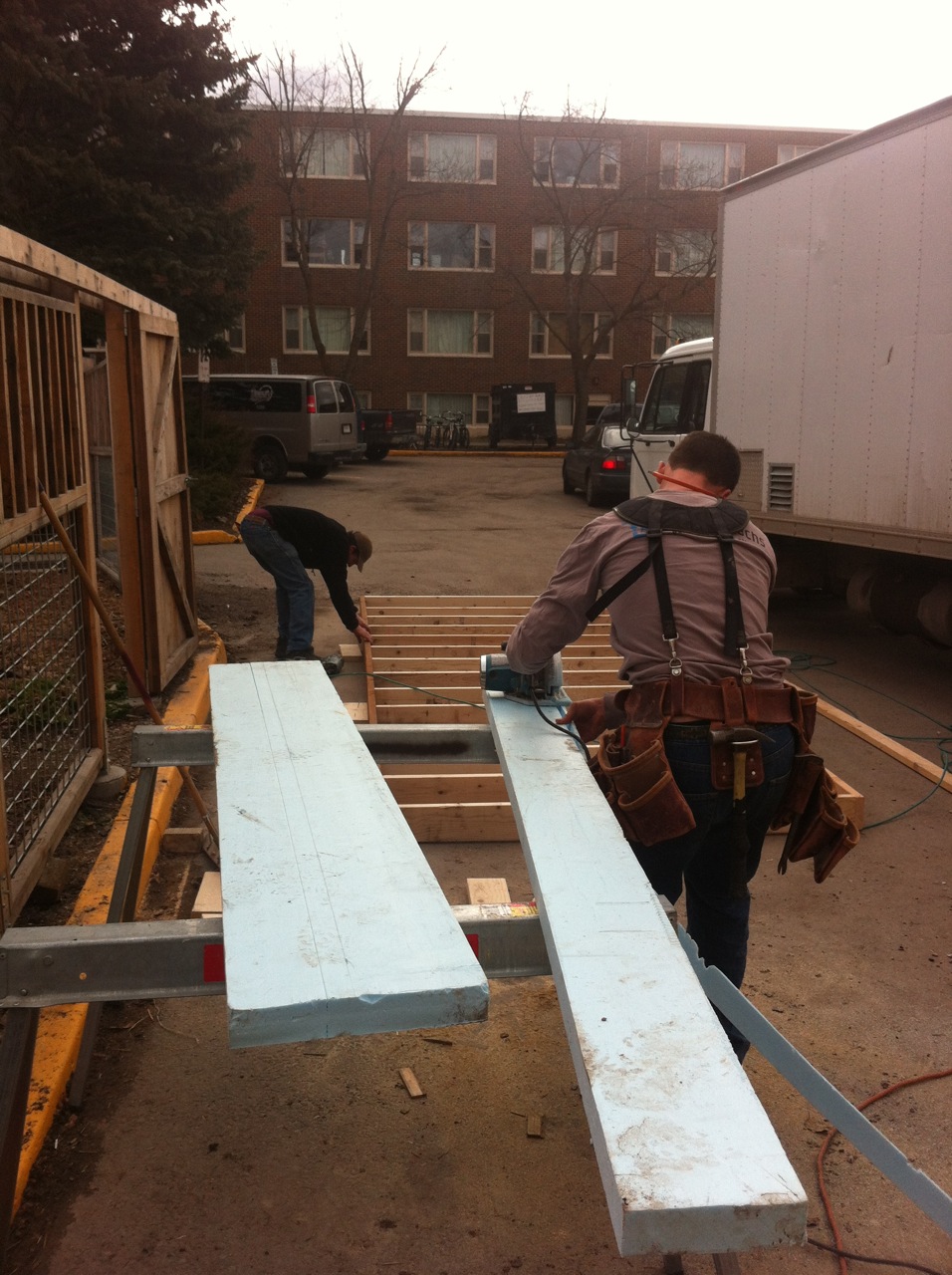
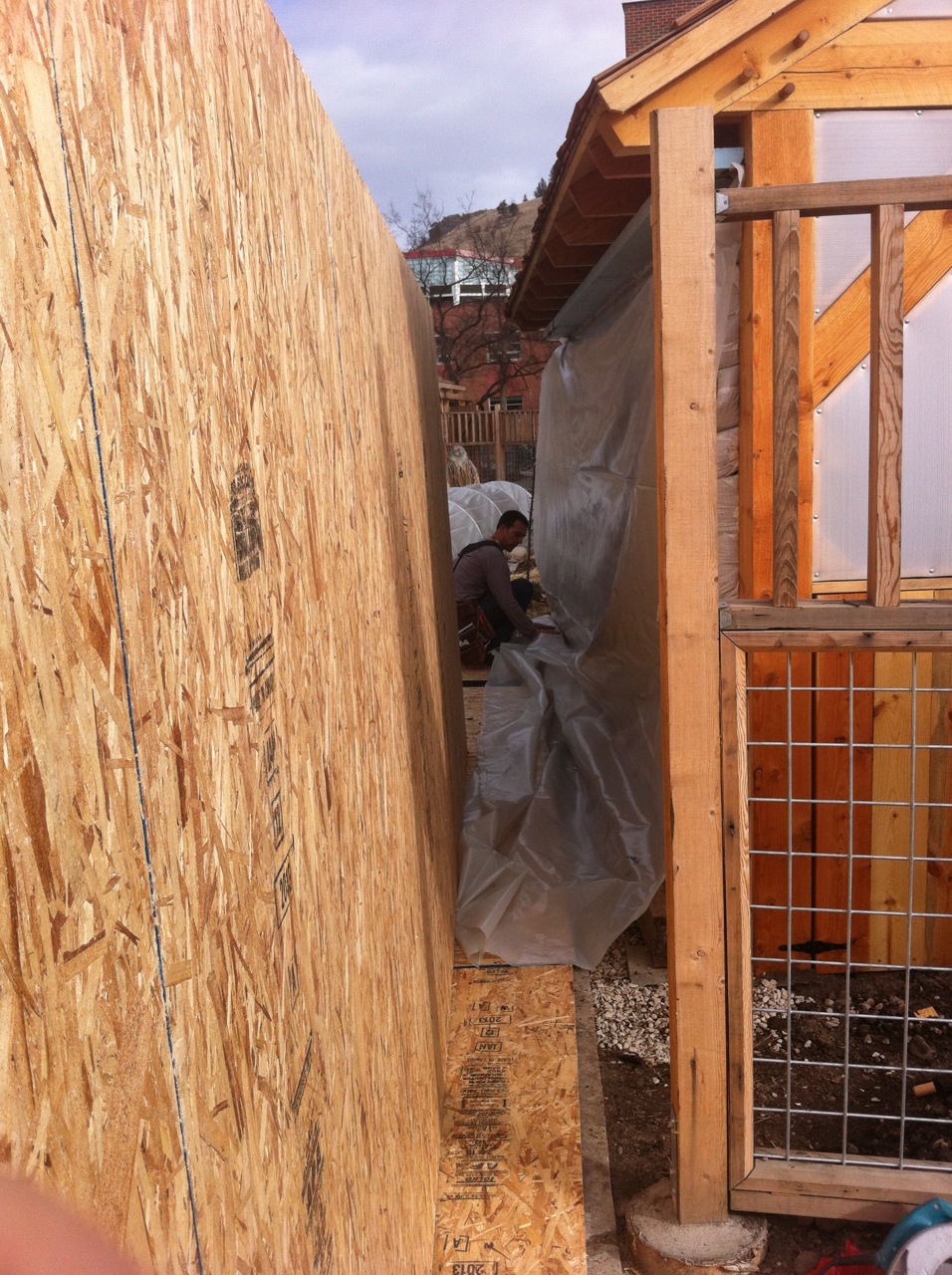
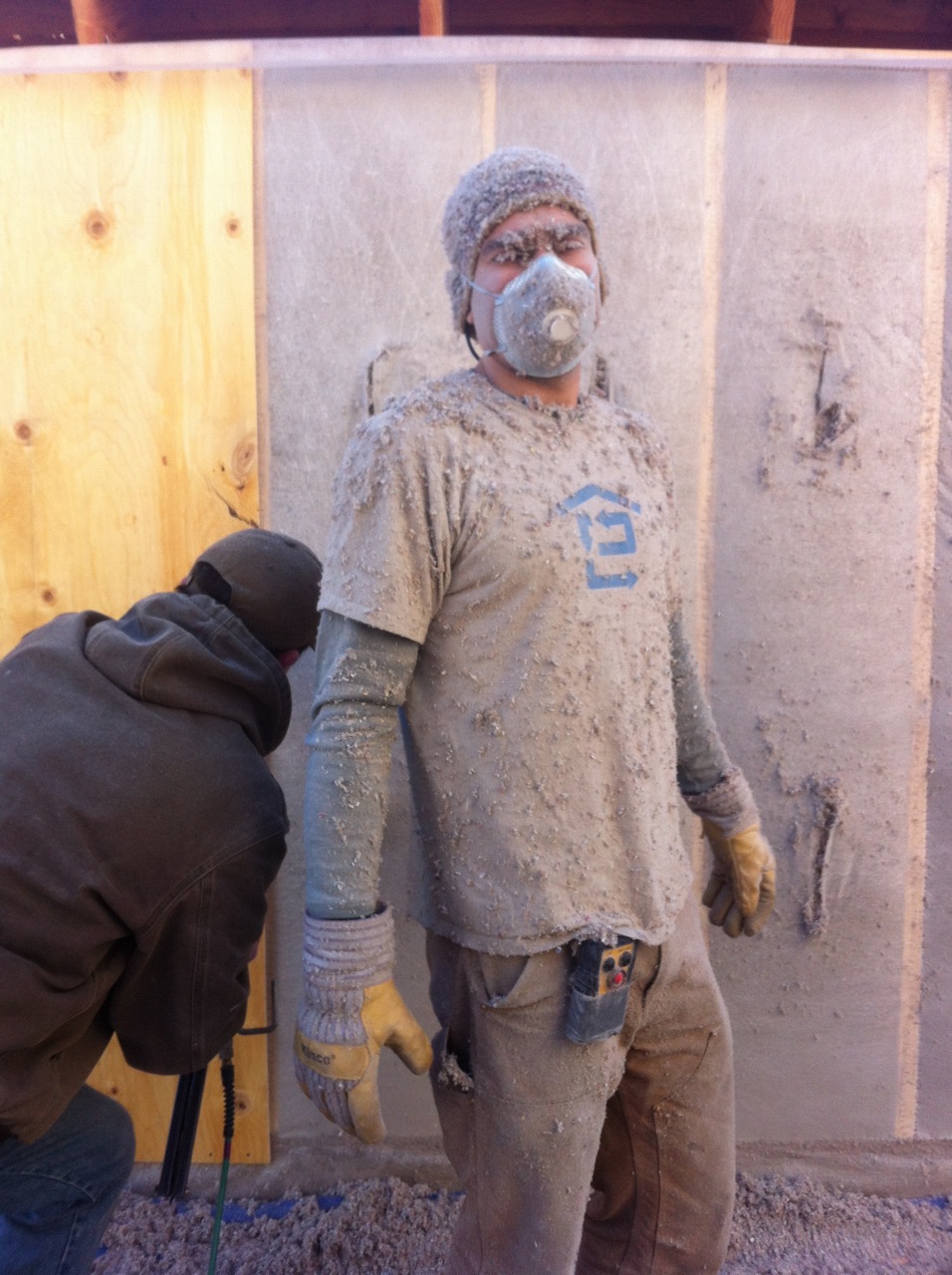
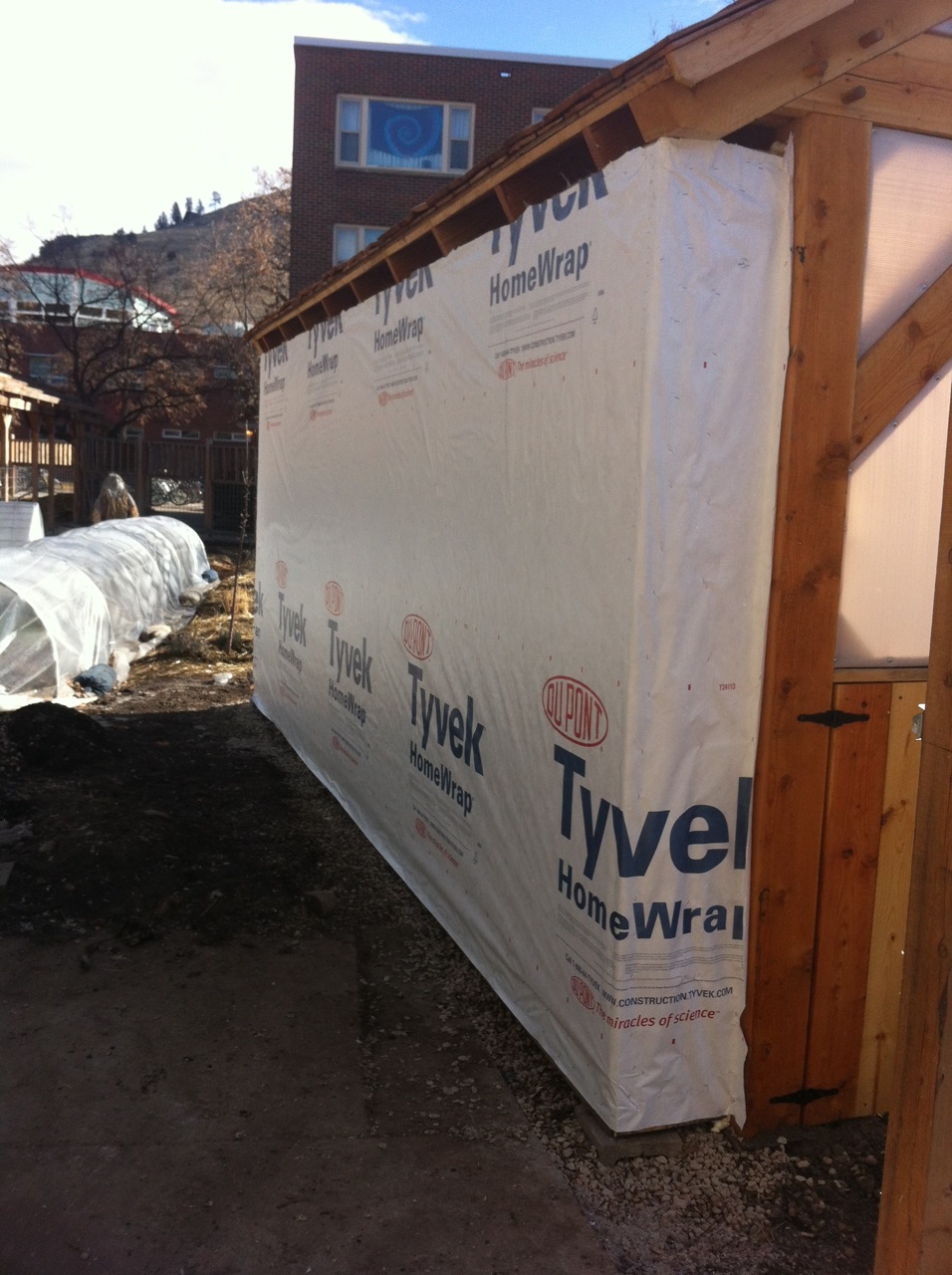
This week in the home performance contracting world, once again I bit off more than I could chew.  Our belief as a company is that your home is a system, and all the parts and sub-systems have to work appropriately for the system to deliver real performance.  I estimated what it would take to insulate the thermal mass element at the UM Dining Greenhouse project- and my estimate came up well short.  As a project manager, you’re job is to know how things go- but I’ve still got a lot to learn.  Ultimately my team picked up the slack and I still have a hard time letting people people help me (something else I’m looking forward to learning).   It happens, and as our master carpenter likes to remind me- “mistakes are the fastest way to learn.”  He’s been in this business, learning systems and making mistakes for almost 40 years.  Just because it looks simple doesn’t mean it’s easy.

Insulated thermal mass is trickier than you think.

Insulating thermal mass is trickier than you think.

Vapor control system.

Vapor control system.

Wall prep.

Wall prep.

I have high standards for myself- most of my friends and family believe these standards are often too high, and they are probably right.  I think most of us want to believe that we are good at what we spend our time doing.  That if we are working hard, we must be working well, and that we can achieve “mastery” or “excellence” in everything, and quickly.  My experience is to say- no.  Mastery is the result of many mistakes, many failures, and many attempts.

All at once.

All at once.

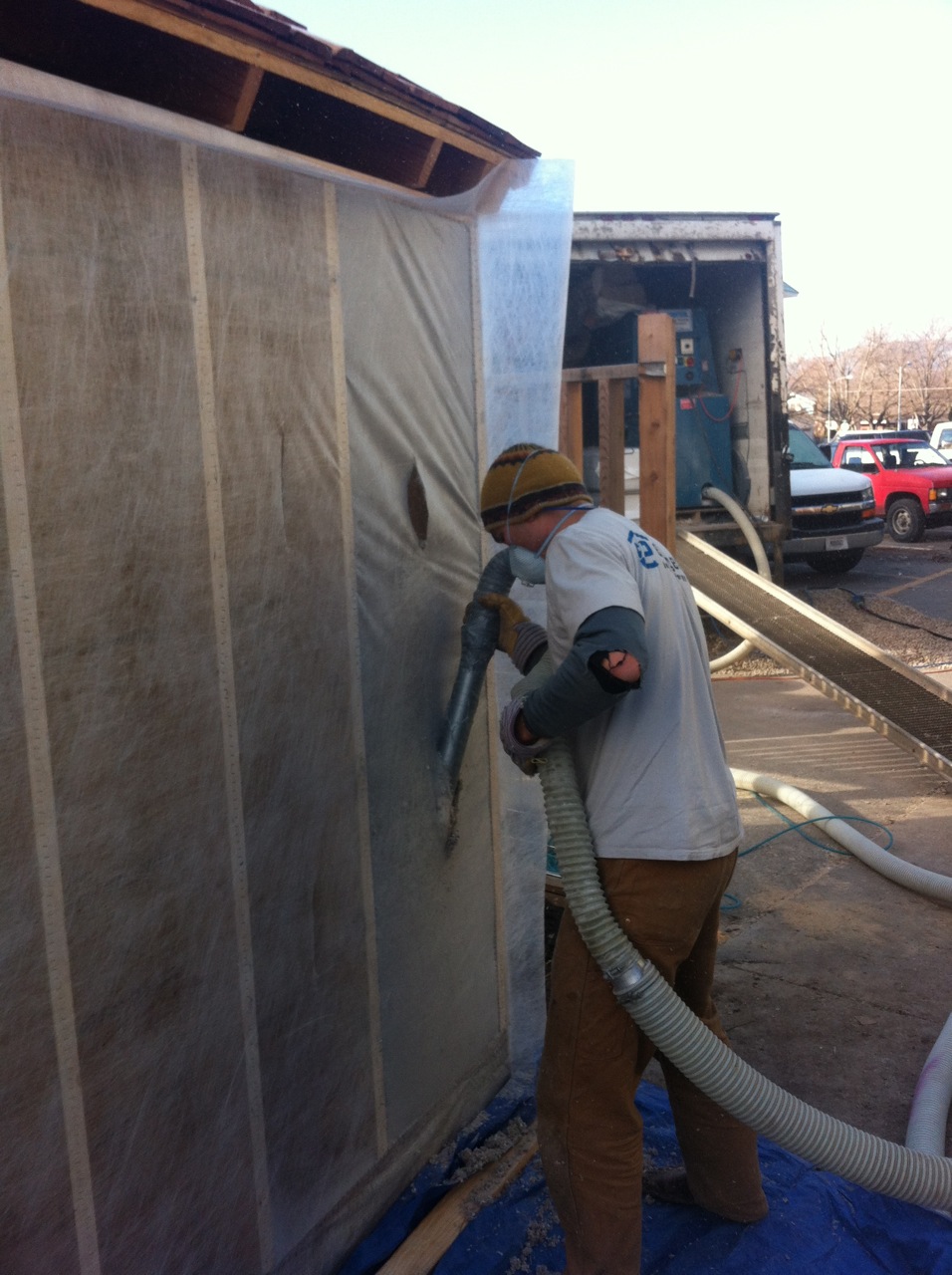
Blow.

Blow.

The price of re-learning how to blow a wall.

The price of re-learning how to blow a wall.

I am willing to say that while working harder is not always an indication of progress, failing often might be- so long as you don’t miss the lesson.  Humility is a gift, mistakes are opportunities, questions are invaluable.  Don’t miss the chance to pick yourself up and keep going.

Excellence is earned.

Finished.

Finished.

“I will not make excuses, I will make corrections.” (Gym Jones)

Learning to Sell

I spent yesterday manipulating an overly aggressive chainsaw against a sisyphean task. Doing this left me with a lot of spare mental capacity. Thoughts drifted from the jobsite to Alaska, my damaged left foot, the woman I’m crazy about, and finally to engineering sales. Yes, engineering sales.

I’ve always poo pooed sales, particularly engineering sales- but it’s fast becoming what I am most excited to do. My boss agrees with me that this is what we need most at work, and is probably the fastest way to shift my employment away from operating agro chainsaws.

If we vote with our dollar, sales is how you campaign. After 9/11, the nation looked to the White House for leadership and George W. Bush could have said anything. In a gross statement of American consumerism- he told us to go to the mall and shop. “Bolster the economy.” The socio-economic/political consequences aside, the moment highlighted the point that one of the most consequential actions we take is how we spend our money. If I really want to change the world, I’m not going to do it by inventing some new design- I’m going to do it by educating people about the value of design and technology available to us right now.

Sustainble building design is interesting- I really believe that “the trick” to sustainable buildings is to find satisfaction and elegance in practical, elegant, designs that maximize use of basic materials and simple technology. Part of the challenge is that these most important elements aren’t particularly new and it’s hard to evoke intense emotion . The things we need most already exist.

If I learn the design of something, I can only effect that thing. If I learn to sell- I can affect everything I touch, and I can change the way people act on their beliefs. Sometimes “the goal is to keep the goal the goal”*- and sometimes the goal is to figure out what the real goal is. I don’t know if this is the birth of my career as a salesman, or maybe just a new awareness in my business interactions, but moving forward the topic of sales is going to be big on the horizon.


*quote by Dan John.

Speak Out

Someone told me today that they wanted to get better at public speaking and asked for my advice.  I thought what I had to say was worth sharing here:

“Connect with your passion in whatever you are talking about. Bring whatever you have to say back to your passion- if its invasive species, or vegan gourmet, or energy efficiency, connect to that. If you are talking about something really esoteric or far from your passions, find a way to joke about it, or something about it that you genuinely want to learn more about.  If you find yourself in the unfortunate place of talking about something you really don’t know anything about, own that too- get vulnerable and admit your ignorance, there are few better ways to make friends.

People connect via authenticity, vulnerability, and humor- if you can use one of these, you win. Also, practice. It sucks and it’s hard, but speaking is really one of those things that only happens when you put yourself on the spot and do it. Take every chance you can get to speak in front of people (it’s scary), and make a deal with yourself that you won’t back down from an opportunity.  It gets worse, then better, and then- it gets fun.”

Next Friday I’m looking forward to giving a presentation about my professional work to a group of architects in Helena.  I am a little nervous about it.  The vulnerability tactic is definitely my plan, but I also respect what I have to say, so I hope I can speak authentically.  I mildly expect my audience to eat me alive (architects and contractors in the construction industry tend to be at odds with one another).  I can’t hide the fact that I’ve only been at this contracting gig for a year (holy crap, it’s been a year)- so I intend to own it, and while usually presenters are on the spot to teach something, I’m thankful that I tend to walk away having learned something.

Travel

(the next few posts are going to be a bit out of order, wrote this on the plane and wanted to get it posted)

The flight from Salt Lake to Denver was full of a high school girls soccer team from Australia.  They had been traveling for 27 hours, and Denver was their final destination.  Listening to their accents I started to think about all of the planes I’ve been on since I quit my job in Portland.  I’m traveling for work this week, but my work at Energetechs has never had the same rote tedium that working at Glumac did.  I still feel like I’m on the journey.  I remember sitting on the plane on Monday morning, November 15, 2010 on my way to the GreenBuild conference to represent Glumac.  That was when I decided to quit the job and see what else the world had to offer- it’s fun to think that the journey that has been my life since then has pretty much been perfect, with just enough low points to make it real.

En route, via SLC.

I’m in Denver to give a presentation to the Passive House Institute US National Conference.  I’m a little scared that being the nerdiest construction company in Montana isn’t quite enough to hang with the other folks here, but we’ll give it our best.  We’ve got an authentic story to tell, and I think we tell it well- the success is going to lie in owning that.

It is said that the world is like a book, and that those who don’t travel only read one page.  I’ll be here until Monday and expect to work my tail off, learning, networking, training, and growing- and I’m really looking forward to it.  I’m curious to see what coming back to Missoula feels like, particularly in comparison to returning there after Yosemite a few weeks ago.  Stay tuned.

Descriptions of Myself

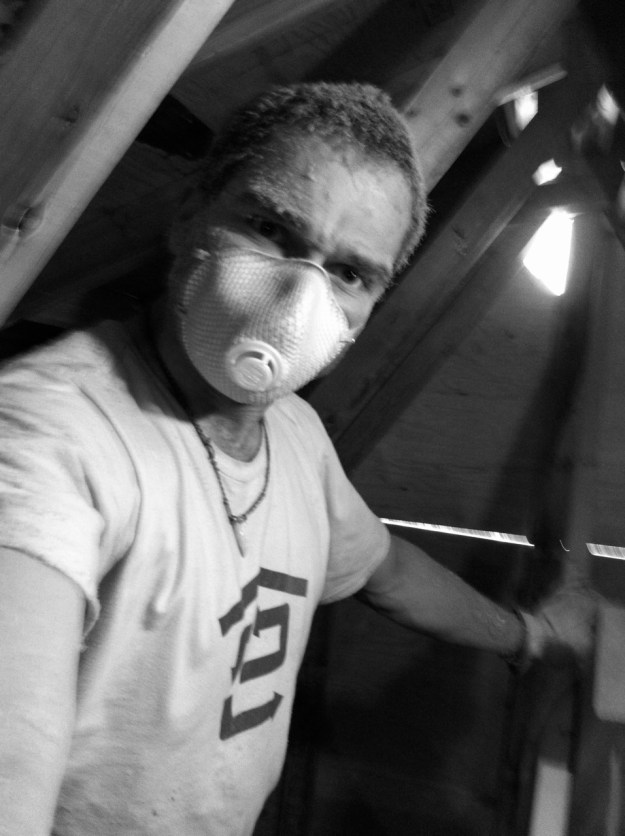
10:30am July 26, 2012. Candid, while blowing cellulose insulation.

I’ve noticed lately when I introduce myself, I rarely offer a simple description- it usually goes something like this.

“I’m a mechanical engineer doing project management for residential and small commercial projects interested in energy efficiency and sustainability.”

Tonight, the fatigue from 4 overtime days strips away any confusion.  I look at myself in the mirror and humbly accept what I am doing with my time:

“I am a contractor.

We do heating, cooling, and insulation.”

A short exchange at a social event this evening reminds me: I should offer new acquaintances the opportunity to get to know me better on the merit of their own questions and interest rather than imposing my descriptions on them.  For those who seek depth, they won’t come up shallow.  For those that don’t, I won’t be distracted.

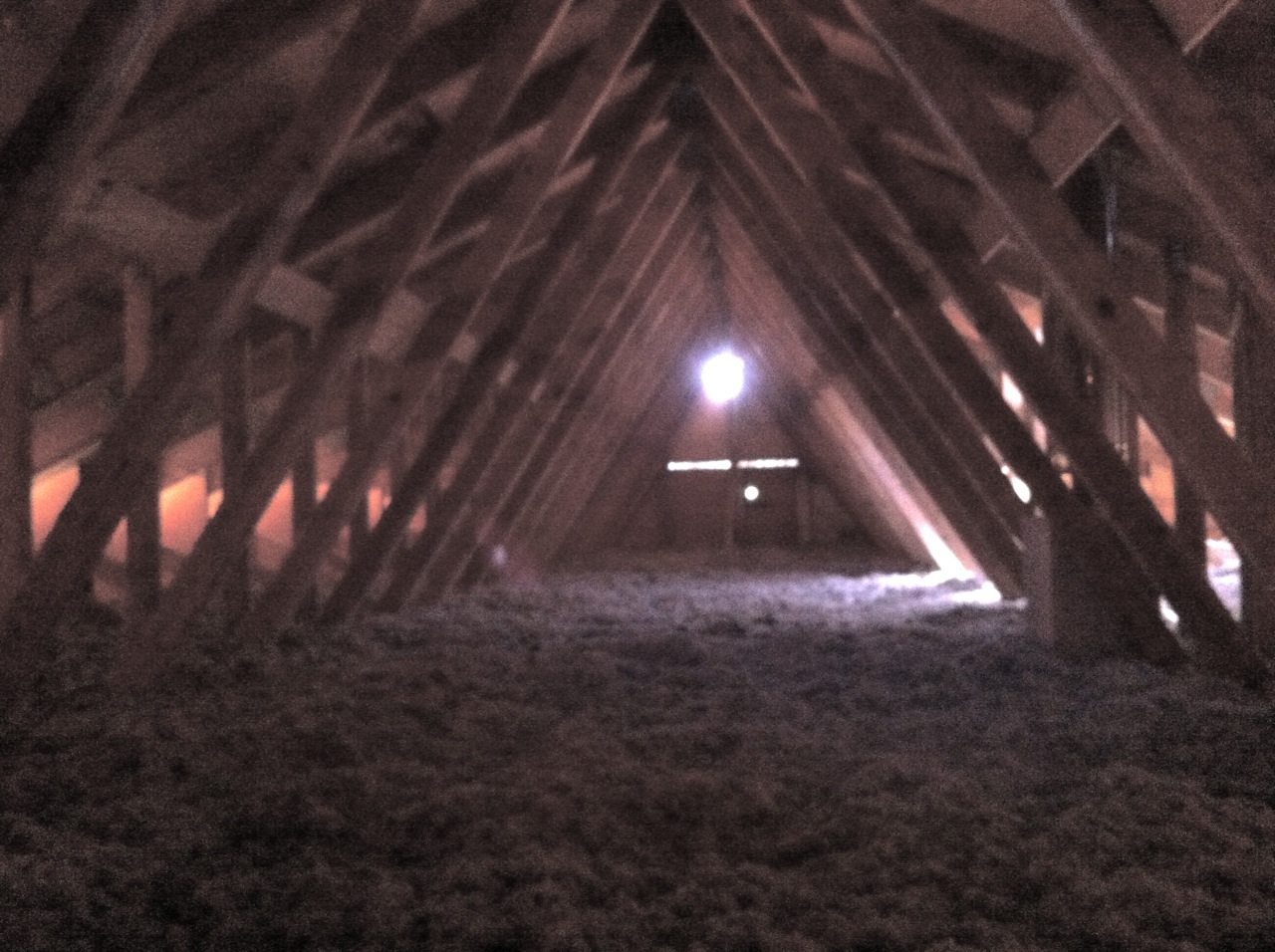
The results of my direct efforts for one day. What did you actually *do* today?

The Hard Way, Part 1

(been working on this post for a while, look forward to Part 2 in the next few days!)

“We have met the enemy, and he is us.” (Walt Kelly)

Everyone loves to talk about tough economic times, like the economy is a nebulous, undefined malignant force- like it’s not our fault or something that just came upon us.  Our economy is the product of what we have chosen, and what “the economy” does reflects the choices we have made.  For the bulk of the industrial revolution (including now), “the economy” has responded to “the market” which responds to “price signals.”  “Price signals” are based on what we buy; we create them (the price signals), we send them based on the choices that we make.  In a perverse twist of fate, “the market” has responded to an attitude that says “cheaper is better, easier is better, faster is better”- that attitude is our own.  Remember that the market is only responding to price signals that we sent, and thus, we ourselves have chosen to place a priority on faster, cheaper, and easier.  We as a people have failed to stand up for quality, we have failed to pay the true cost of the lives that we lead.  We have chosen not to take the hard way or do the hard work, and as a result we have a world that is buried in debt, smothered in pollution, and anchored in a feeling of helplessness.

My life has been different- when I learned to play music the biggest lesson was that good performance was the result of slow, deliberate, diligent practice.  In climbing, achievement has been the result of regular training and slow incremental progress.  Somehow when I look at our economic history I can’t help but notice that the “market signal” of cheaper, easier, faster has pushed us into a situation where the systems we have built will no longer sustain us.  Our food is engineered to be tasty, manufactured to be cheap, and retains the false appearance of being available and abundant.  “In 1950, 70% of food consumed in Montana was grown within the state… by 1989 it was 34%.”  Why?  Because cheap transportation costs and global competition made it easier and cheaper to buy imported food.  Now, as energy prices and health problems rise, the easy way has suddenly made it impossible to feed ourselves.

I work in designing and building houses, and every day I see houses that are built with a goal of turning a quick profit rather than providing a safe, durable, energy-efficient place for a family to make a home.  I feel fortunate to be working on these projects because the folks I work for understand building science, and usually get called in to fix other people’s mistakes.  Somehow, Americans came to believe that making a profit in the housing market was a given, and we are determined to preserve that fallacy.  A house can be a cheap shack, but a home involves science, time, investment, and care- these homes are rare, and I feel fortunate to get to be a part of them.  Somehow in our society real abundance isn’t very abundant at all.

Do we have the political will and cultural discipline to chose harder options?  Even if the Keystone XL pipeline provides 100 more years of oil, what’s the world going to look like in 2111?  I believe that if our society is to survive, it will have to learn to choose the harder way.  The easy choices were easy in the short term and disastrous in the long term.  How can we cultivate our society to think and consider a longer term vision?  We are not victims of what is available, we are victims of our own choices.  With everything that I’ve ever done in my life, I’ve found that real value is only the result of hard work and consistent long term investment.  This is a lesson that somehow I think much of America has missed.  The experiences playing music and climbing remind me that taking the hard road is worth it.

Make your choices count.
Consider where you spend every last dollar.
The only real boundaries or barriers to affecting system-wide change are the ones we create in our own minds.

“There are no shortcuts for hard work.”  (Mark Twight)